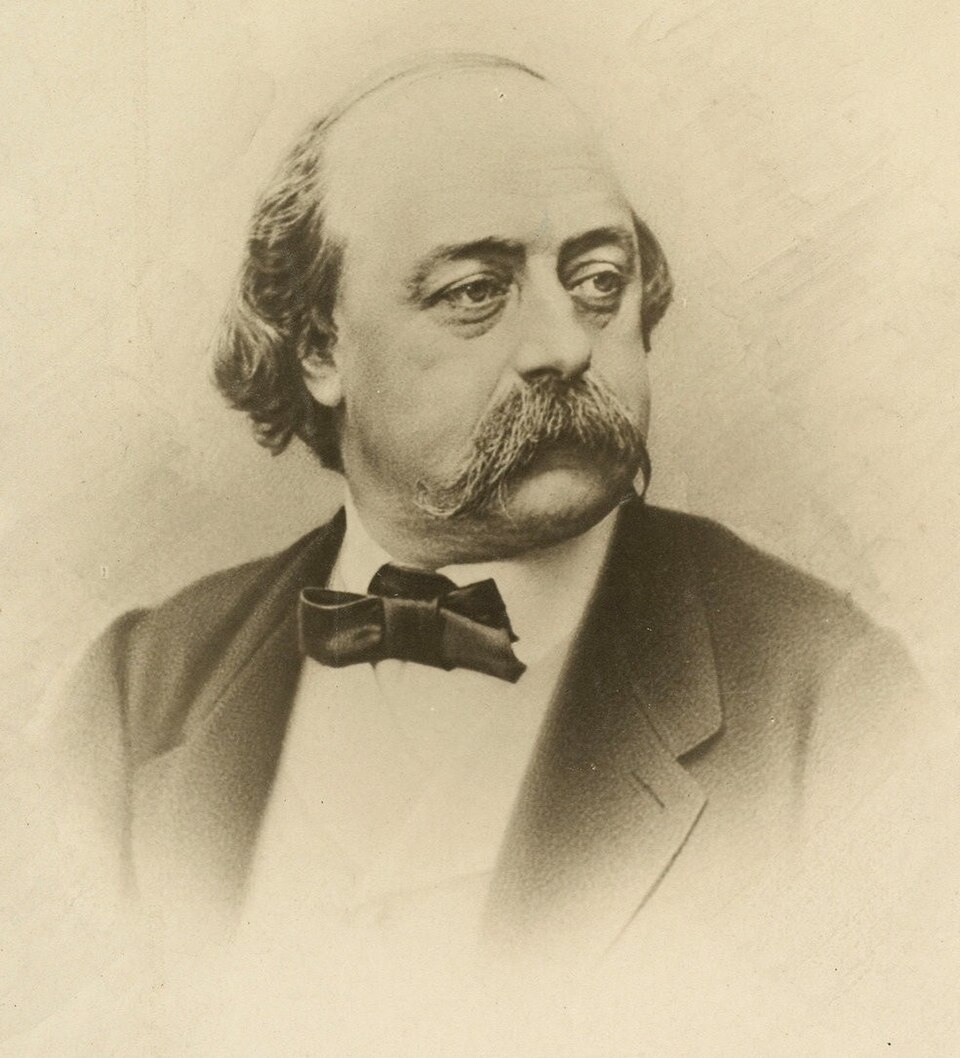

Gustave Flaubert
Novelist
Gustave Flaubert was a seminal French novelist and leading exponent of literary realism, famed for his relentless pursuit of stylistic perfection and le mot juste.
Early Life, Career Milestones & Enduring Legacy
Gustave Flaubert (December 12, 1821 – May 8, 1880) was a French novelist widely regarded as the prime exponent of literary realism in his country. Born in Rouen, Normandy, to a prominent surgeon, Flaubert devoted his adult life entirely to literature, spending years laboring over individual sentences in his riverside villa at Croisset. His obsession with finding *le mot juste* (the exact right word) and eliminating cliché established new heights of precision, rhythm, and psychological insight in Western prose.
His debut masterpiece, *Madame Bovary* (1856), created an immediate sensation and provoked an obscenity trial that resulted in a triumphant acquittal, establishing Emma Bovary’s tragic romantic disillusionment as a cornerstone of modern fiction. Flaubert’s subsequent works, including the lavish historical epic *Salammbô* and the sweeping generational portrait *Sentimental Education*, exerted an immense influence on novelists from Henry James and Marcel Proust to Franz Kafka.
Top 5 Notable Works & Achievements
- Madame Bovary (1856) — Novel: The masterpiece of literary realism exploring the tragic discontent and romantic yearnings of Emma Bovary.
- Sentimental Education (1869) — Novel: A sweeping panoramic novel chronicling the romantic and social disillusionment of a young man during the 1848 French Revolution.
- Salammbô (1862) — Novel: A lavish, exotic historical novel set in ancient Carthage during the Mercenary War after the First Punic War.
- Three Tales (1877) — Short Fiction: A revered collection of three short stories including 'A Simple Heart', showcasing Flaubert’s mature stylistic mastery.
- Bouvard and Pécuchet (1881) — Novel: A satirical posthumous novel ridiculing bourgeois intellectual pretensions and encyclopedic folly.