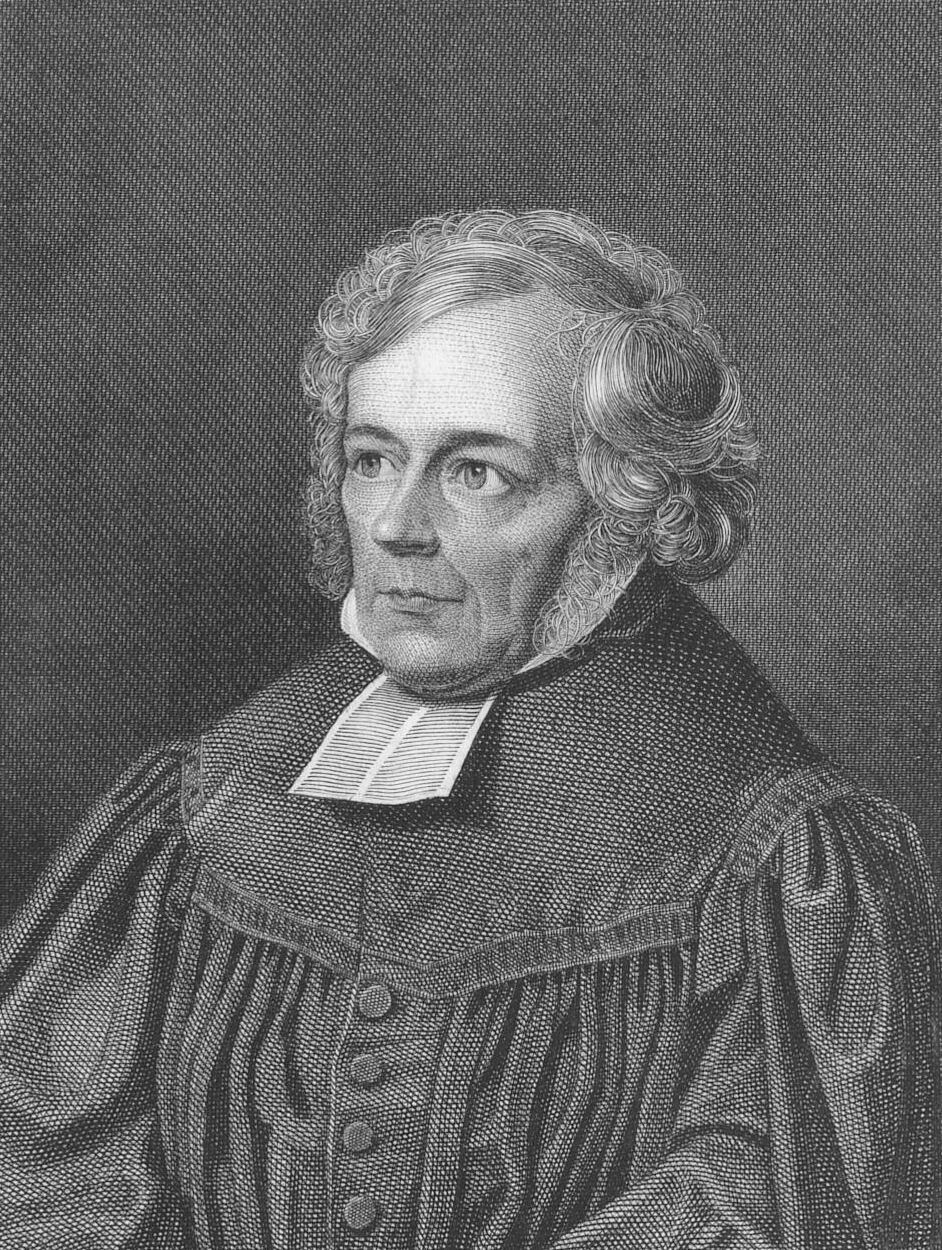
Friedrich Schleiermacher (1768 – 1834) was a towering figure in Germany and world history, widely celebrated as Philosopher, Theologian, Biblical Scholar & Father of Modern Hermeneutics. Their transformative contributions left an enduring imprint on human civilization.
At a Glance: Friedrich Schleiermacher
The Architect of Interpretation: Friedrich Schleiermacher
Born on November 21, 1768, in Breslau (now Wrocław, Poland), Friedrich Daniel Ernst Schleiermacher was one of the intellectual giants of the German Romantic era. At a moment when the Enlightenment threatened to reduce faith to cold moral rules and science threatened to reduce human consciousness to clockwork mechanisms, Schleiermacher mounted a philosophical defense of the human soul, founding modern textual hermeneutics, transforming theology, and co-founding the modern research university.
1. Speeches to the Cultured Despisers
Living in Berlin in the late 1790s among the young Romantic poets Friedrich Schlegel and Ludwig Tieck, Schleiermacher observed that educated European intellectuals had abandoned religious faith as obsolete superstition. In 1799, he published his anonymous masterpiece, On Religion: Speeches to its Cultured Despisers (Über die Religion).
Schleiermacher argued that the critics were attacking a straw man: religion was neither a set of metaphysical propositions (as orthodox theologians claimed) nor a system of moral duties (as Immanuel Kant argued). Rather, religion was an immediate, pre-rational intuition and 'feeling of absolute dependence' (Gefühl der schlechthinnigen Abhängigkeit)—an intimate sense of unity with the living Infinite amidst the finite cosmos.
2. The Father of Modern Hermeneutics
Before Schleiermacher, 'hermeneutics' was merely a collection of practical rules for interpreting difficult passages in the Bible or classical legal texts. Schleiermacher elevated hermeneutics into a universal philosophy of human understanding (Verstehen).
He divided interpretation into two dialectical poles: grammatical interpretation (analyzing how language and syntax construct meaning within a historical context) and psychological interpretation (reconstructing the unique creative mind and inner life of the author). In doing so, he formulated the famous hermeneutic circle: to understand the whole of a text, one must understand its individual parts; but to understand the parts, one must grasp the living spirit of the whole.
3. Translating Plato and Building the Modern University
Between 1804 and 1828, Schleiermacher produced his monumental German translation of Plato's complete dialogues. His 1813 treatise, On the Different Methods of Translating, remains a foundational text in translation theory, introducing the foreignizing method: bringing the reader toward the foreign author rather than domesticating foreign genius into comfortable domestic prose.
In 1810, collaborating with statesman Wilhelm von Humboldt, Schleiermacher co-founded the University of Berlin (now Humboldt University). Serving as its first dean of theology and later as rector, Schleiermacher championed the revolutionary Humboldtian educational ideal: uniting independent scientific research with classroom instruction under absolute academic freedom. When he died in Berlin on February 12, 1834, over twenty thousand citizens lined the streets in solemn reverence for a thinker who had taught Europe how to read the human soul.
Key Milestones, Works & Enduring Achievements
Throughout an extraordinary journey, Friedrich Schleiermacher established landmark milestones that continue to inspire scholars, creators, and leaders:
- On Religion: Speeches to its Cultured Despisers (Über die Religion) (1799) [Philosophical Treatise]: Romantic defense of religious faith, defining religion as the intuition and feeling of the Infinite amidst the finite.
- Foundations of General Hermeneutics (1819) [Philosophical Manuscript]: Established modern hermeneutics as the universal art of understanding, introducing grammatical and psychological interpretation.
- The Christian Faith (Der christliche Glaube) (1821) [Systematic Theology]: Magnum opus of modern Protestant theology, systematizing doctrine around the 'feeling of absolute dependence'.
- Complete German Translation of Plato's Dialogues (1804) [Classical Translation (6 Volumes)]: Landmark philosophical translation that established modern Plato scholarship and inspired German classical philology.
- Co-Founding the University of Berlin (1810) [Educational Architecture]: Collaborated with Wilhelm von Humboldt to establish the Humboldtian model of higher education combining research and teaching.
Enduring Philosophy & Timeless Words
Reflecting on human nature, duty, and excellence, Friedrich Schleiermacher also observed:
Read All Curated Quotes & Tributes
Explore our comprehensive collection of inspiring quotes, personal reflections, and historical tributes honoring Friedrich Schleiermacher on November 21.

