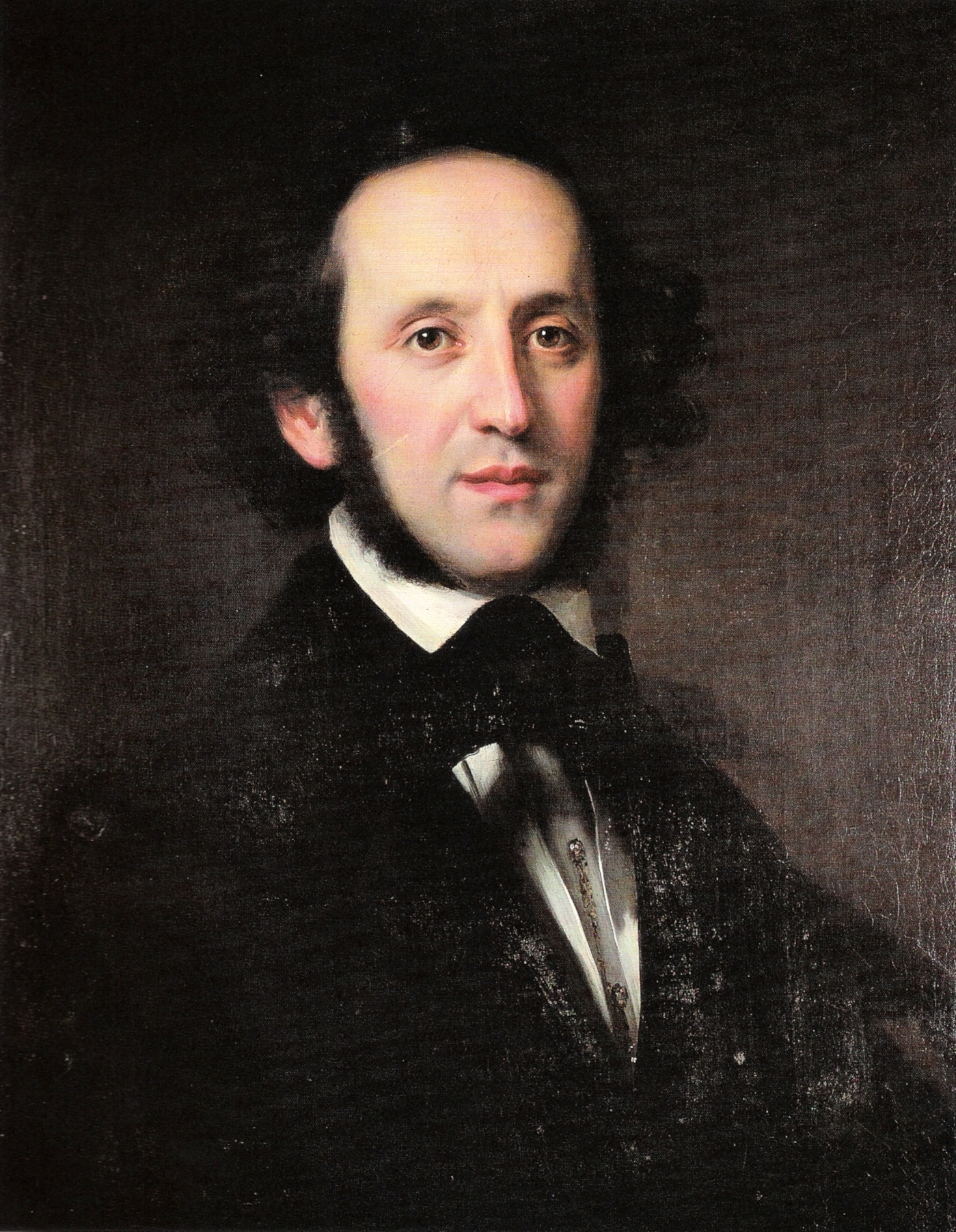
Every year on November 4, the international community commemorates Felix Mendelssohn (Early Romantic Era Master Composer, Pianist, Organist & Conductor). Celebrated across Germany and worldwide for defining contributions to music, their life remains an inspiring beacon of human courage, vision, and excellence.
1. Early Foundations, Background & Formative Years
Born in Hamburg on February 3, 1809, into a prominent Jewish-German family—the grandson of the Enlightenment philosopher Moses Mendelssohn and son of banker Abraham Mendelssohn—Felix was recognized alongside his sister Fanny as a musical prodigy rivaling Mozart. At age seventeen, he composed the immortal concert overture to Shakespeare’s A Midsummer Night's Dream (1826), showcasing astonishing orchestral inventiveness, ethereal fairy lightness, and mature formal mastery.
In March 1829, at the age of twenty, Mendelssohn conducted a historic Berlin performance of J.S. Bach’s St Matthew Passion, rescuing Bach’s vocal masterpieces from nearly a century of neglect and initiating the worldwide Bach Renaissance. Appointed musical director of the Leipzig Gewandhaus Orchestra in 1835, he revolutionized orchestral conducting by introducing the modern baton, raising performance standards, and championing both contemporary and historic masters.
In 1843, Mendelssohn founded the Leipzig Conservatory (now the University of Music and Theatre Leipzig), establishing the first modern music academy in Germany. His monumental outputs include five symphonies (notably the Italian and Scottish), the sublime Violin Concerto in E minor, the oratorios St. Paul and Elijah, and eight volumes of intimate piano miniatures, Songs Without Words (Lieder ohne Worte). Shattered by the sudden death of his beloved sister Fanny, Mendelssohn suffered a series of strokes and passed away in Leipzig on November 4, 1847, at age thirty-eight, mourned across Europe as one of the most gifted, culturally unifying musical geniuses of all time.
Growing up in Germany, Felix Mendelssohn was guided by an innate curiosity, unwavering discipline, and a refusal to accept mediocrity. These formative experiences forged the intellectual and moral bedrock that would later define their world-changing accomplishments.
2. Groundbreaking Breakthroughs & Monumental Achievements
Felix Mendelssohn Bartholdy was an early Romantic master composer, pianist, and conductor celebrated for his exquisite melodic lyricism, dazzling orchestral brilliance, revival of J. S. Bach’s *St Matthew Passion*, and timeless compositions including the *Violin Concerto in E minor*, the *Italian Symphony*, and *A Midsummer Night’s Dream*.
Throughout their career, Felix Mendelssohn surmounted institutional obstacles, skepticism, and severe adversity. Through unyielding resolve, they established new benchmarks in music that continue to shape the modern world.
3. Cultural Resonance, Philosophy & World Impact
The philosophical principles embodied by Felix Mendelssohn extend far beyond regional frontiers. Admirers and scholars across Europe, the Americas, Africa, Asia, and Oceania recognize their timeless contribution to human progress, ethical leadership, and creative mastery.
4. Key Milestones & Notable Works
Notable Achievements & Works
- A Midsummer Night's Dream (Overture and Incidental Music, featuring the iconic "Wedding March")
- Violin Concerto in E minor, Op. 64 (one of the greatest violin concertos in classical repertoire)
- Symphony No. 4 in A major, Op. 90 ("Italian") & Symphony No. 3 ("Scottish")
- Revival of J.S. Bach's St Matthew Passion (1829, inaugurating the modern Bach revival)
- Elijah (Elias, 1846 monumental oratorio) & Songs Without Words (Lieder ohne Worte)
5. Enduring Legacy for Future Generations
On November 4, we reflect upon a legacy that transcends time. For aspiring students, creators, and leaders everywhere, the journey of Felix Mendelssohn serves as proof that conviction, mastery, and dedication leave an indelible mark upon human history.