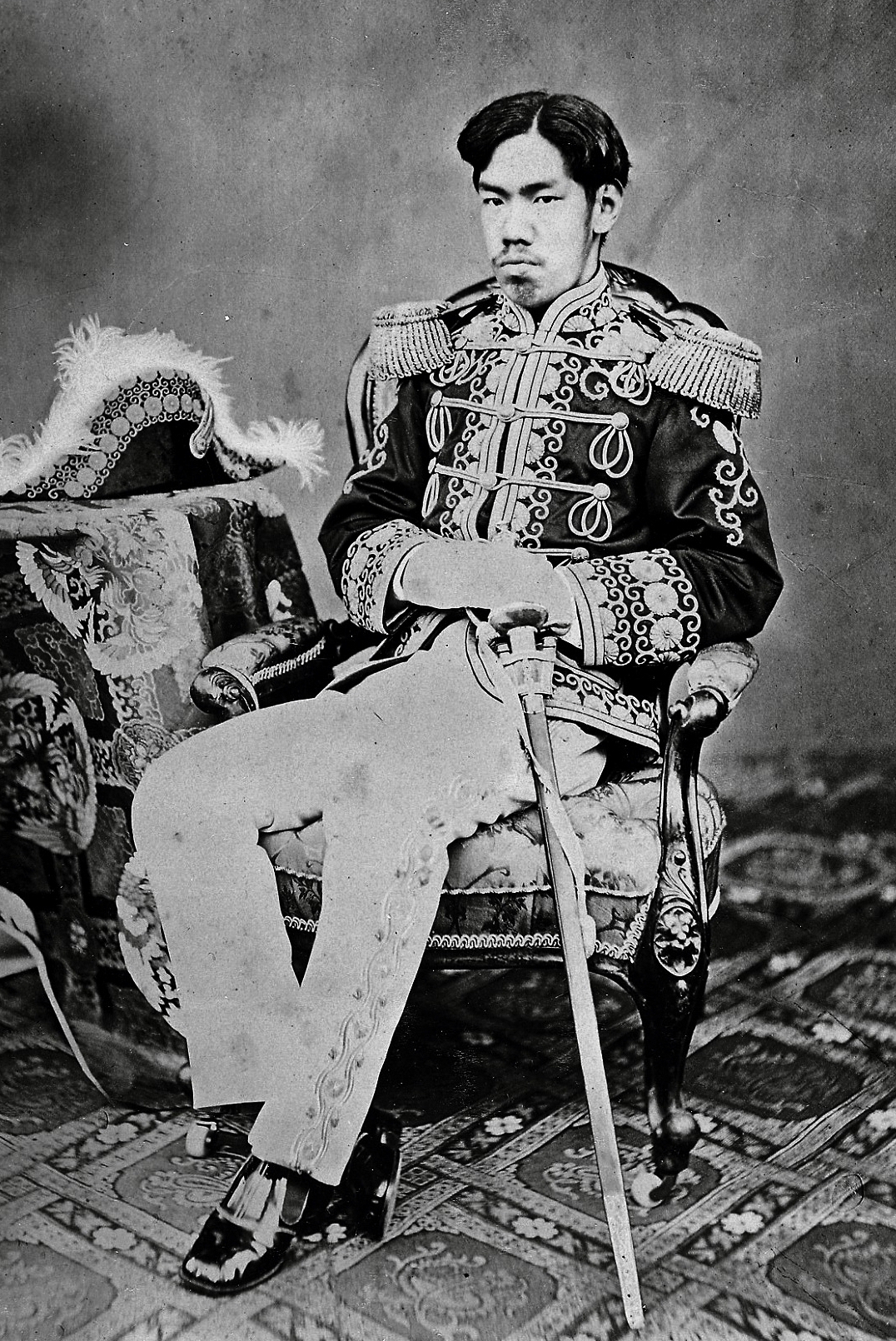
Emperor Meiji reigned from 1867 to 1912, leading Japan through the monumental Meiji Restoration from an isolated feudal shogunate into an industrialized, constitutionally governed modern world power.
Born Mutsuhito in Kyoto on November 3, 1852, Emperor Meiji took the throne in 1867 during a period of intense domestic upheaval. His ascension triggered the 1868 Meiji Restoration, overturning centuries of military rule under the Tokugawa shogunate. Under Emperor Meiji's symbolic leadership and the guiding Five Charter Oath, Japan dismantled the feudal caste system, introduced compulsory universal schooling, constructed trans-national railways and telegraphs, industrialized its economy, and adopted the Meiji Constitution in 1889. By the time of his passing in 1912, Japan had triumphed in international conflicts and stood as an equal among great world empires. His birthday on November 3 is celebrated nationwide in Japan as Culture Day (Bunka no Hi).
Notable Achievements & Works
- Architect and imperial symbol of the Meiji Restoration (1868)
- Promulgator of the Five Charter Oath establishing modern Japanese governance
- Relocation of the imperial capital from Kyoto to Tokyo
- Enactment of the Meiji Constitution of 1889 (first modern constitution in Asia)
- His birthday is celebrated annually as the national holiday Culture Day (Bunka no Hi)