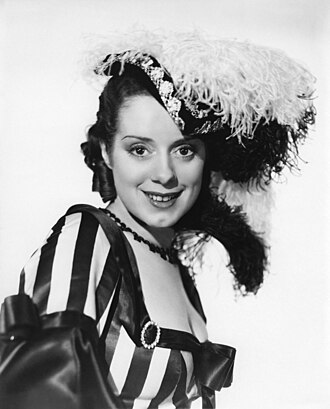
Elsa Sullivan Lanchester (October 28, 1902 – December 26, 1986) was an English-American actress whose eccentric versatility, theatrical physicality, and striking vocal presence made her one of cinema's most distinctive character performers. Lanchester is immortalized in film history for her dual role as Mary Shelley and the Monster's Mate in James Whale's horror masterpiece Bride of Frankenstein (1935).
Bohemian Youth & London Cabaret
Born in Lewisham, London, to bohemian socialist parents, Lanchester studied dance in Paris under the legendary Isadora Duncan. Returning to London during World War I, she founded the Children's Theatre and the Cave of Harmony nightclub, performing provocative songs and modern cabaret. In 1927, she met actor Charles Laughton during a stage production of Mr. Prohack; the two married in 1929, beginning one of the most famous and enduring creative partnerships in theater and film.
The Bride of Frankenstein (1935)
In 1935, director James Whale cast Lanchester in Universal's classic Bride of Frankenstein, having her portray both author Mary Shelley in the prologue and the synthetic Bride created for Boris Karloff's monster. Sporting her iconic lightning-streaked beehive hairdo (inspired by Nefertiti) and emitting terrifying hissing bird cries based on swans in Regent's Park, Lanchester created one of the most indelible, enduring visual silhouettes in all of twentieth-century cinema.
Two Academy Award Nominations & Disney Stardom
Lanchester proved her dramatic excellence with two Academy Award nominations for Best Supporting Actress: first as the religious painter Miss Potts in Come to the Stable (1949), and second as the doting, exasperated private nurse Miss Plimsoll opposite her husband Charles Laughton in Billy Wilder's courtroom thriller Witness for the Prosecution (1957). In her later career, she delighted millions as the disgruntled nanny Katie Nanna in Walt Disney's Mary Poppins (1964).