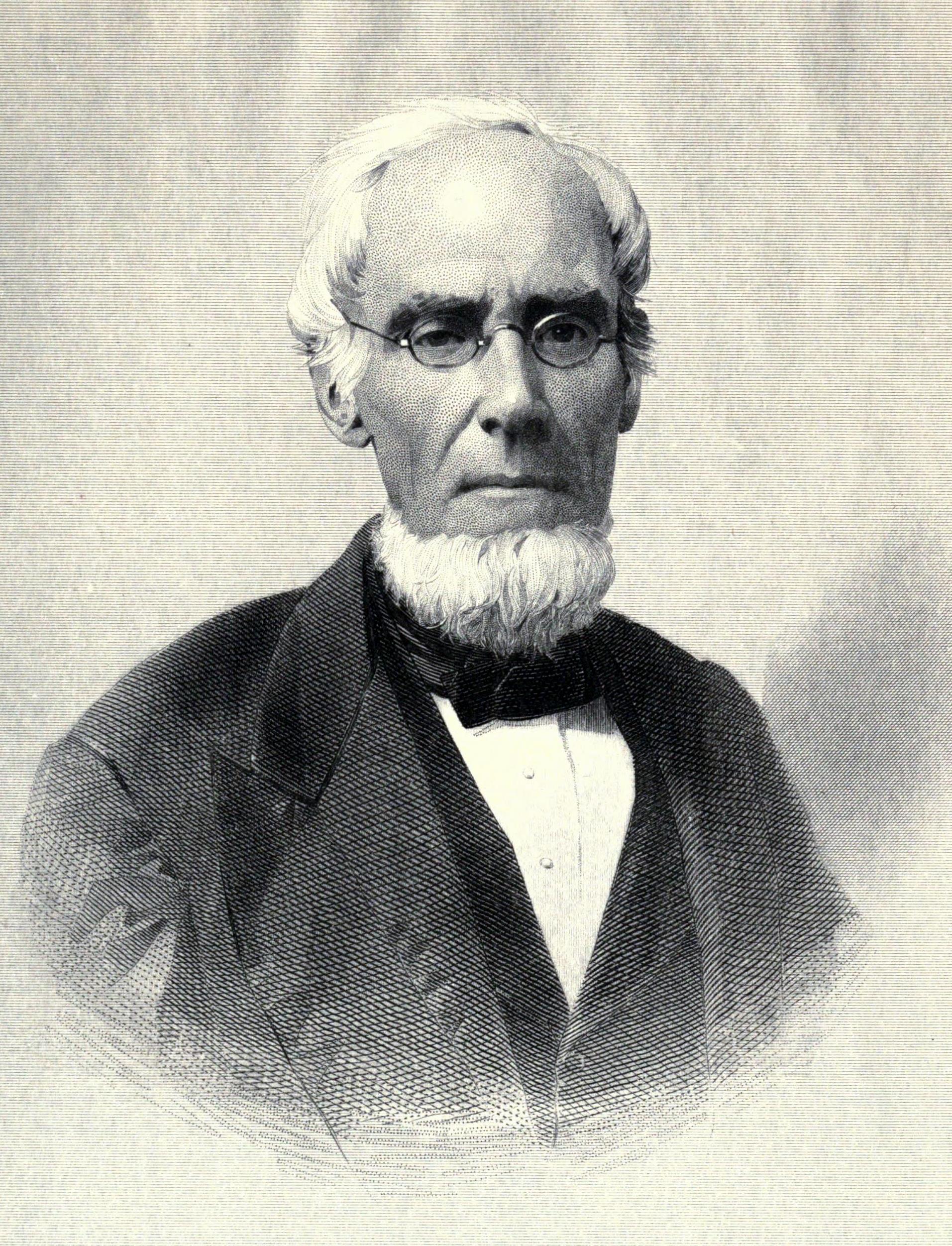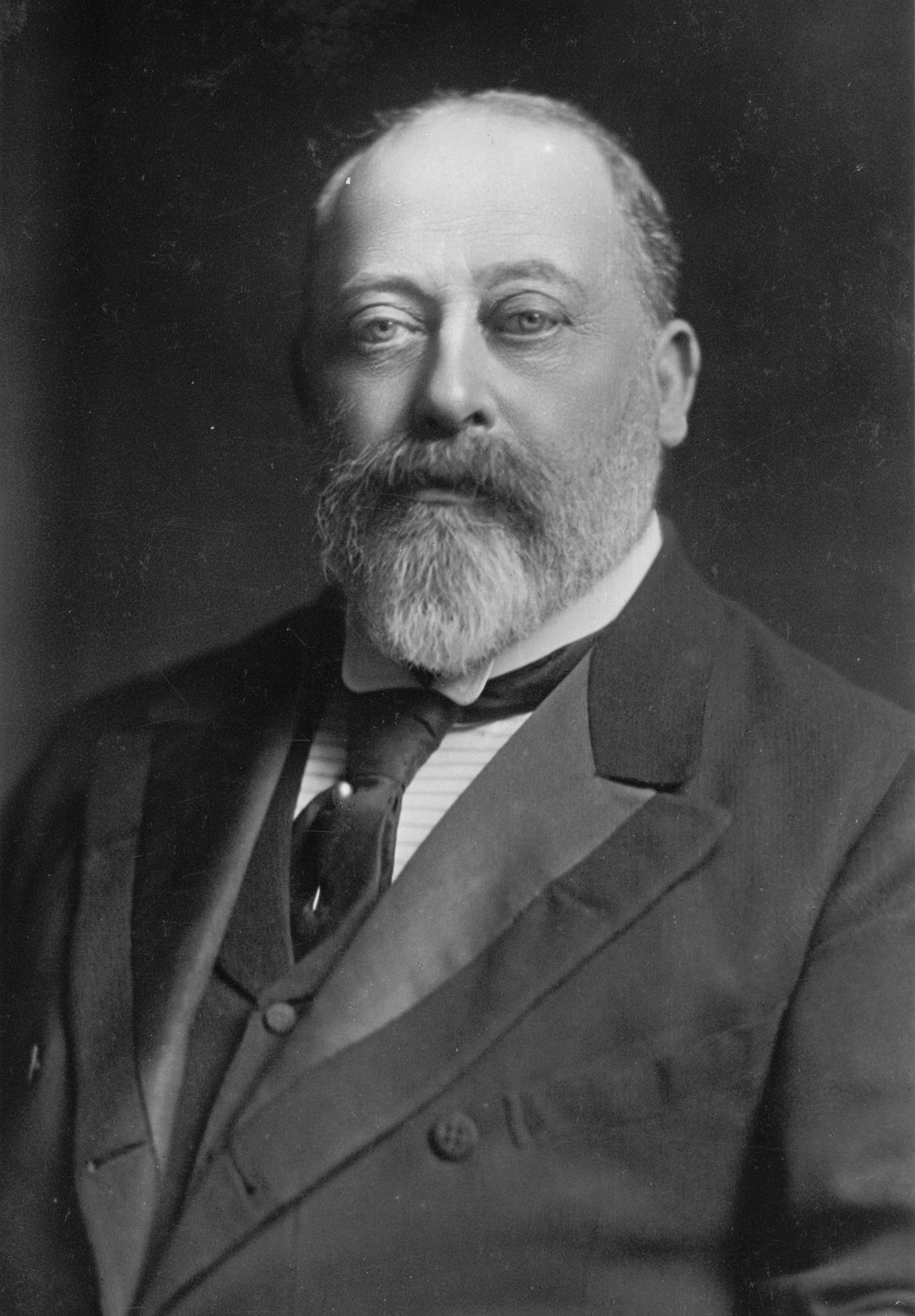
Every year on November 9, the world commemorates the extraordinary life and legacy of King Edward VII (King of the United Kingdom and the British Dominions & Emperor of India ('The Peacemaker')). Celebrated across United Kingdom and worldwide for defining contributions to history, their life remains an inspiring beacon of human courage, vision, and excellence.
1. Early Foundations, Background & Formative Years
Albert Edward was born on November 9, 1841, at Buckingham Palace, the eldest son of Queen Victoria and Prince Albert. Created Prince of Wales almost immediately, 'Bertie' was subjected to a rigorous educational curriculum by his father, later studying at both Oxford and Cambridge.
Excluded from political administration by Queen Victoria for decades, Edward became a world-traveling diplomat and society patron, visiting North America in 1860 and India in 1875–1876. Ascending the throne upon Victoria's death in January 1901, Edward VII revolutionized the royal image, transforming it from reclusive Victorian mourning into a warm, modern constitutional monarchy.
Possessing mastery of French and German, Edward was an architect of European diplomacy. His celebrated 1903 state visit to Paris turned hostile French public opinion around, paving the way for the historic 1904 Entente Cordiale that resolved centuries of Anglo-French imperial rivalry. He fostered modernization of the British military and navy under Admiral Fisher. Edward died at Buckingham Palace on May 6, 1910, remembered as one of Britain's most popular and diplomatic monarchs.
Growing up in United Kingdom, King Edward VII was guided by an innate curiosity, unwavering discipline, and a refusal to accept mediocrity. These formative experiences forged the intellectual and moral bedrock that would later define their world-changing accomplishments.
2. Defining Achievements & Global Career Breakthroughs
Across decades of dedicated service and relentless practice, King Edward VII redefined standards of excellence in history. Whether breaking barriers, innovating masterworks, or transforming public perception, their career represents the pinnacle of professional dedication.
3. Philosophy, Quotations & Guiding Worldview
Throughout their life, King Edward VII articulated profound insights into human potential, creative resilience, and moral responsibility. Their words continue to offer timeless guidance for succeeding generations.
4. Key Milestones & Notable Works
- Fostered and negotiated the historic 1904 Anglo-French Entente Cordiale ending centuries of rivalry
- Supported the modernization and reorganization of the British Army and Royal Navy (Dreadnought program)
- Defined and gave his name to the prosperous, culturally thriving Edwardian Era (1901–1910)
- Established the Order of Merit (1902) to recognize exceptional achievement in science, art, and literature
- Modernized the ceremonial public role of the British constitutional monarchy with warmth and international diplomacy
5. The Enduring Legacy of King Edward VII
Generations of practitioners, scholars, and future leaders trace their inspiration directly to the path blazed by King Edward VII. Their courage reminds us that true greatness requires relentless perseverance, creative boldness, and a lifelong commitment to uplifting humanity.