Celebrated across the world on November 2, Edward V (King of England) stands as an enduring emblem of excellence, perseverance, and historical transformation.
Biographical Journey & Early Roots
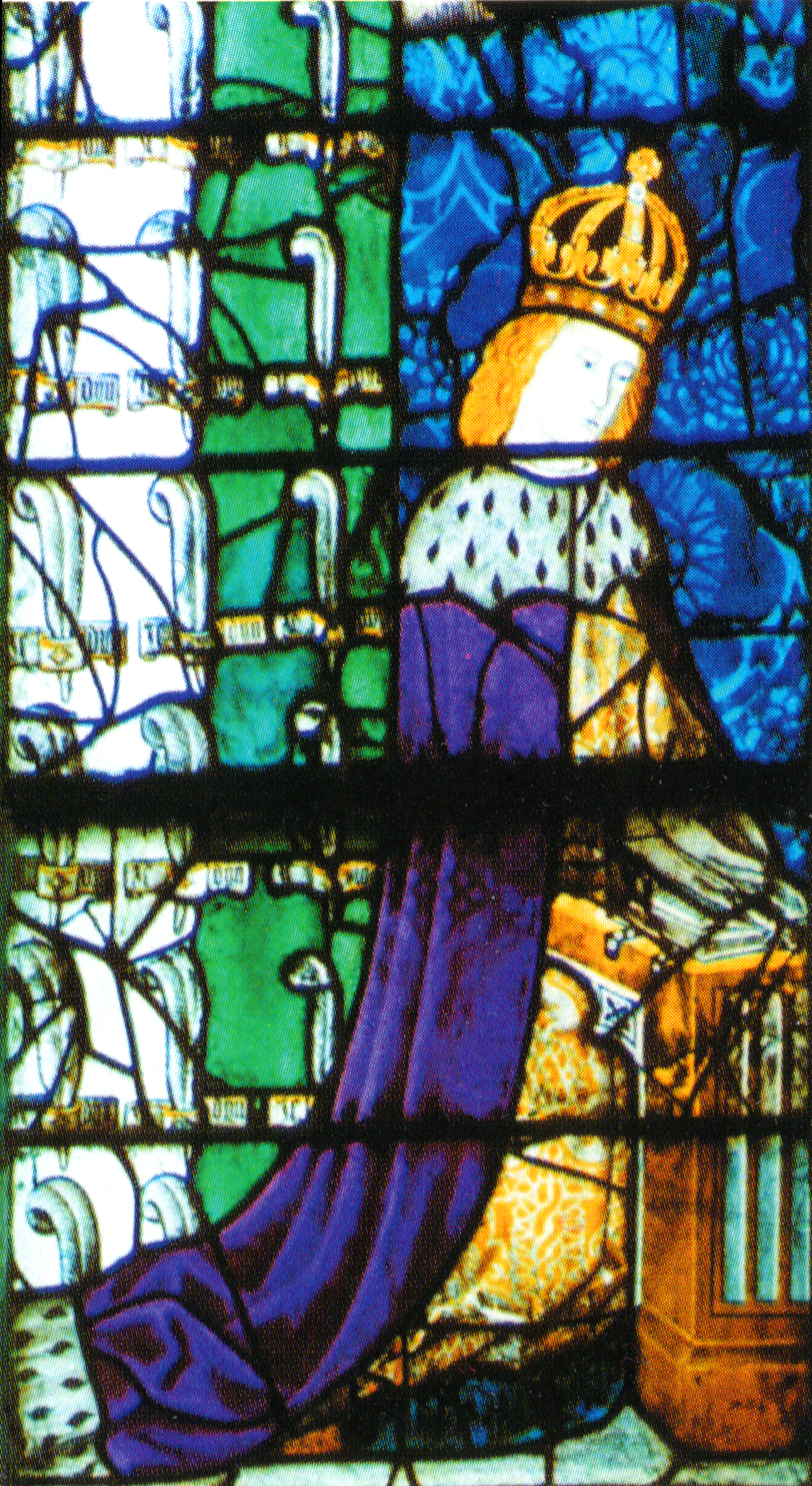
Edward V (November 2, 1470 – c. summer/autumn 1483) was King of England from April 9 to June 26, 1483. As the eldest surviving son of King Edward IV and Queen Elizabeth Woodville, his brief, uncoronated reign of 78 days stands as one of the most enigmatic, dramatic, and enduringly debated tragedies in English royal history.
Sanctuary Birth & Princely Education
Edward was born within the sacred sanctuary of Westminster Abbey, where his mother had sought refuge while his father Edward IV was briefly deposed during the Wars of the Roses. Restored to power, Edward IV created his infant son Prince of Wales. Raised largely at Ludlow Castle on the Welsh Marches under the strict, enlightened supervision of his scholarly maternal uncle Anthony Woodville, Earl Rivers, young Edward was educated in classical literature, statecraft, and chivalric arms.
Sudden Succession & The Royal Coup
Upon his father's sudden death on April 9, 1483, the twelve-year-old Edward succeeded to the throne. Traveling toward London for his planned coronation, his convoy was intercepted at Stony Stratford by his paternal uncle Richard, Duke of Gloucester. Gloucester arrested Woodville and the young king’s advisors, escorting Edward to the royal apartments at the Tower of London (then a traditional royal residence prior to coronations). Shortly after, Edward’s younger brother, nine-year-old Richard, Duke of York, was brought to join him.
Deposition and The Mystery of the Tower
Before the coronation could proceed, the marriage of Edward IV and Elizabeth Woodville was declared invalid on grounds of pre-contract (the Titulus Regius), declaring Edward and his brother illegitimate. Gloucester assumed the crown as King Richard III on June 26, 1483. The two young princes were seen playing in the Tower gardens during that summer, but gradually disappeared from public view. Their mysterious fate gave rise to the legendary historical mystery of the "Princes in the Tower," immortalized in Sir Thomas More’s history and William Shakespeare’s tragedies, symbolizing the perilous cost of dynastic ambition.
Hallmark Achievements & Notable Works
- Royal Proclamations of April–May 1483
- Council Records of Ludlow (1473–1483)
Cultural Resonance & Global Impact
The contributions of Edward V continue to inspire millions across England and the international community. Whether pioneering artistic forms, defending human rights, or demonstrating unparalleled leadership, their life serves as a timeless masterclass in human dedication.
As we celebrate November 2, we honor not only their recorded achievements but also the enduring standard of courage, intellect, and creativity they gifted to future generations.