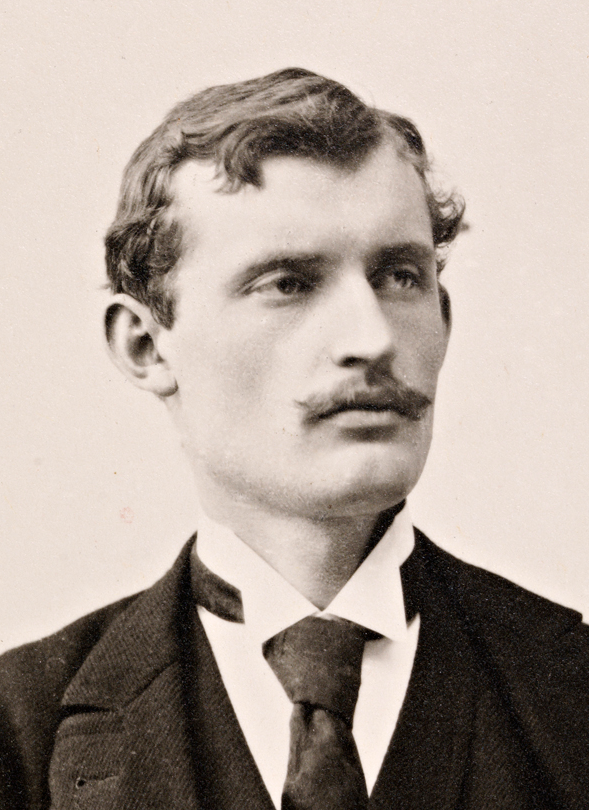

Edvard Munch
Painter and Printmaker
Edvard Munch was a pioneering Norwegian Expressionist painter and printmaker whose haunting masterpieces, including The Scream, captured existential human psychological anguish.
Early Life, Career Milestones & Enduring Legacy
Edvard Munch (December 12, 1863 – January 23, 1944) was a Norwegian painter and printmaker whose intensely emotional treatment of psychological themes revolutionized European modern art. Born in Ådalsbruk and raised in Christiania (now Oslo), Munch was shaped by childhood tragedy, including the deaths of his mother and favorite sister from tuberculosis. Rejecting academic realism, he sought to paint not mere physical surfaces but the raw inner life of the human psyche—love, jealousy, grief, dread, and mortality.
His iconic composition *The Scream* (1893), part of his monumental *The Frieze of Life* series, became a universal symbol of modern existential anxiety. Beyond *The Scream*, Munch produced extraordinary prints, lithographs, and woodcuts that heavily influenced German Expressionism. Upon his death, he bequeathed over 20,000 artworks to the city of Oslo, cementing his legacy as one of the titanic figures of 20th-century visual art.
Top 5 Notable Works & Achievements
- The Scream (1893) — Painting: The quintessential Expressionist masterpiece depicting an agonized figure against a blood-red sky.
- Madonna (1894) — Painting: A sensuous, controversial portrayal merging maternal sacredness with erotic mystery.
- The Dance of Life (1899) — Painting: An allegorical canvas capturing youth, passion, and old age on a moonlit Norwegian midsummer night.
- The Sick Child (1885) — Painting: A deeply moving work memorializing the death of his elder sister Sophie from tuberculosis.
- Vampire (1895) — Painting: A dramatic composition showing a woman embracing and kissing a man on the neck amidst cascading auburn hair.