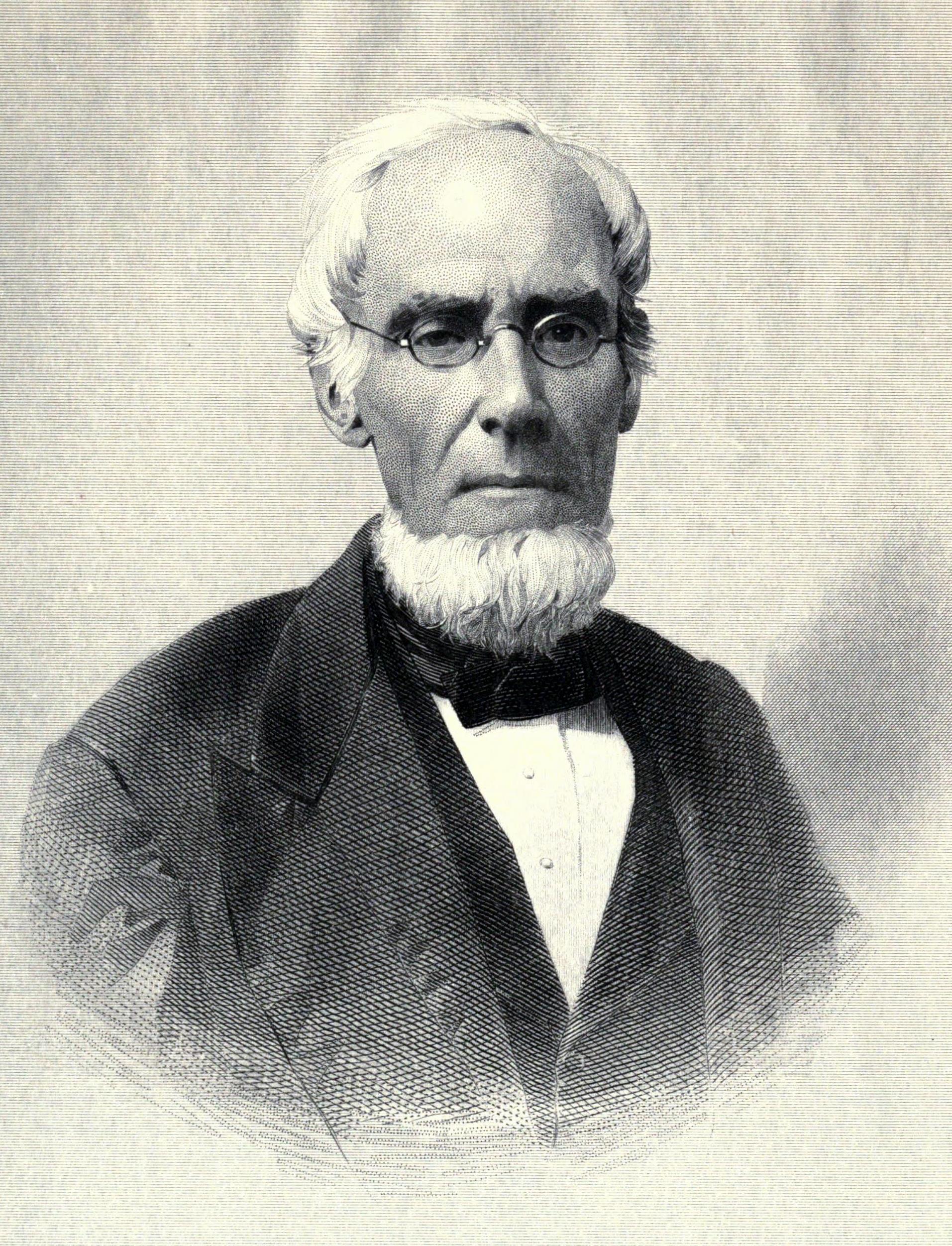
Every year on November 8, the world commemorates the extraordinary life and legacy of Edmond Halley (English Astronomer, Mathematician & Physicist (Halley's Comet)). Celebrated across United Kingdom and worldwide for defining contributions to science, their life remains an inspiring beacon of human courage, vision, and excellence.
1. Early Foundations, Background & Formative Years
Edmond Halley was born on November 8, 1656, in Haggerston, London. After studying at Queen's College, Oxford, he traveled at age nineteen to Saint Helena in the South Atlantic, compiling the first telescopic catalog of 341 southern hemisphere stars.
In 1684, Halley visited Isaac Newton in Cambridge and persuaded him to formulate his laws of gravitation and celestial mechanics. Halley paid the printing costs out of his own pocket to publish Newton's Principia Mathematica in 1687. Halley subsequently calculated that the comets of 1531, 1607, and 1682 were a single periodic comet, accurately predicting its 1758 return (Halley's Comet). He also pioneered actuarial mortality tables, mapped Earth's geomagnetic field, and served as Astronomer Royal until his death in 1742.
Growing up in United Kingdom, Edmond Halley was guided by an innate curiosity, unwavering discipline, and a refusal to accept mediocrity. These formative experiences forged the intellectual and moral bedrock that would later define their world-changing accomplishments.
2. Defining Achievements & Global Career Breakthroughs
Across decades of dedicated service and relentless practice, Edmond Halley redefined standards of excellence in science. Whether breaking barriers, innovating masterworks, or transforming public perception, their career represents the pinnacle of professional dedication.
3. Philosophy, Quotations & Guiding Worldview
Throughout their life, Edmond Halley articulated profound insights into human potential, creative resilience, and moral responsibility. Their words continue to offer timeless guidance for succeeding generations.
4. Key Milestones & Notable Works
- Calculated the periodic orbit and predicted the 1758 return of Halley's Comet (1705)
- Financed, edited, and published Isaac Newton's 'Principia Mathematica' (1687)
- Compiled the first telescopic catalog of southern hemisphere stars (1678)
- Constructed the first actuarial mortality life tables for insurance science
- Served as second Astronomer Royal of Great Britain at Greenwich Observatory (1720–1742)
5. The Enduring Legacy of Edmond Halley
Generations of practitioners, scholars, and future leaders trace their inspiration directly to the path blazed by Edmond Halley. Their courage reminds us that true greatness requires relentless perseverance, creative boldness, and a lifelong commitment to uplifting humanity.