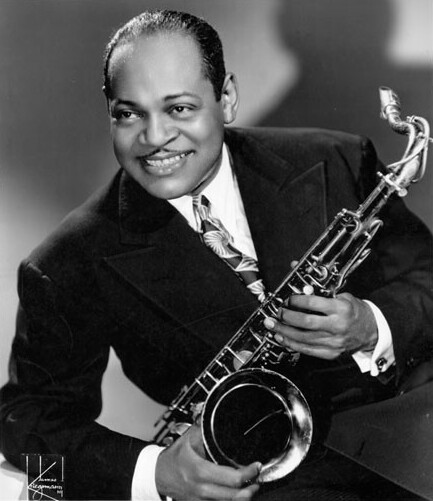
Coleman Hawkins (1904 – 1969) was a towering figure in United States and world history, widely celebrated as Pioneering Jazz Tenor Saxophonist & Architect of Modern Jazz. Their transformative contributions left an enduring imprint on human civilization.
At a Glance: Coleman Hawkins
The Titan of the Tenor: Coleman Hawkins
Born on November 21, 1904, in St. Joseph, Missouri, Coleman Randolph Hawkins—affectionately known as 'Hawk' and 'Bean'—did something few artists in musical history ever accomplish: he single-handedly created an entire instrument's artistic vocabulary. Before Hawkins, the tenor saxophone was treated as a clumsy marching novelty or vaudeville joke. Through Hawkins' titanic breath, rich vibrato, and revolutionary harmonic architecture, the tenor saxophone was crowned the undisputed king of jazz instruments.
1. Fletcher Henderson and the Armstrong Revelation
Trained in classical cello and piano, Hawkins began touring professionally at age sixteen with blues singer Mamie Smith. In 1923, he joined the pioneering big band of Fletcher Henderson at the Roseland Ballroom in New York. When young cornetist Louis Armstrong joined the band in 1924, Hawkins experienced a musical epiphany. Absorbing Armstrong's blues inflections and rhythmic drive, Hawkins discarded stiff, staccato phrasing, developing a massive, deep-throated tone driven by complex arpeggiated harmonies.
2. October 11, 1939: The 'Body and Soul' Revolution
After spending five triumphant years touring Europe alongside Django Reinhardt and Benny Carter, Hawkins returned to New York in 1939 as World War II broke out. On October 11, at the end of a recording session for Bluebird Records, the producer asked for one more track. Hawkins casually called for Johnny Green's standard ballad 'Body and Soul'.
What followed was an absolute musical revolution. Playing for three minutes, Hawkins stated the original melody for barely two measures before launching into an uninterrupted, three-minute masterclass of melodic and harmonic invention. Navigating passing chords, upper extensions, and chromatic substitutions with breathtaking architecture, Hawkins created an improvisational monument. The record became a jukebox smash across America and remains the single most dissected, revered tenor saxophone solo in history.
3. Bridge to Bebop and Enduring Immortality
Unlike many swing-era veterans who bitterly resisted the mid-1940s modern jazz revolution, Hawkins was an open-minded champion of youth. In February 1944, he organized and led the first recorded bebop sessions, hiring young Dizzy Gillespie, Max Roach, and Don Byas. Later, he hired an eccentric young pianist named Thelonious Monk, defending Monk's radical harmonic dissonances against conservative critics.
Performing with majestic dignity until his passing in New York on May 19, 1969, Coleman Hawkins was the trunk from which all modern saxophone branches grew—from Ben Webster and Lester Young to John Coltrane and Sonny Rollins.
Key Milestones, Works & Enduring Achievements
Throughout an extraordinary journey, Coleman Hawkins established landmark milestones that continue to inspire scholars, creators, and leaders:
- Body and Soul (1939 Recording) (1939) [Jazz Masterpiece Single]: The definitive tenor saxophone solo in jazz history, introducing advanced vertical harmonic improvisation to American popular culture.
- Fletcher Henderson Orchestra Solos (1928) [Big Band Swing]: Established the tenor saxophone as a dominant lead jazz voice, laying the harmonic framework for swing era arrangers.
- First Bebop Recording Sessions (with Gillespie & Roach) (1944) [Bebop Historic Milestone]: Organized and led the historic February 1944 Apollo sessions that introduced early bebop to commercial vinyl.
- European Recordings with Django Reinhardt (1937) [International Jazz Sessions]: Landmark Paris sessions showcasing acoustic gypsy swing guitar interplay with American tenor saxophone bravura.
- The Hawk Flies High (1957) [Studio Album]: Celebrated hard-bop collaboration pairing Hawkins with modernists J.J. Johnson and Thelonious Monk.
Enduring Philosophy & Timeless Words
Reflecting on human nature, duty, and excellence, Coleman Hawkins also observed:
Read All Curated Quotes & Tributes
Explore our comprehensive collection of inspiring quotes, personal reflections, and historical tributes honoring Coleman Hawkins on November 21.

