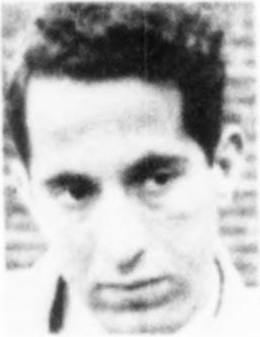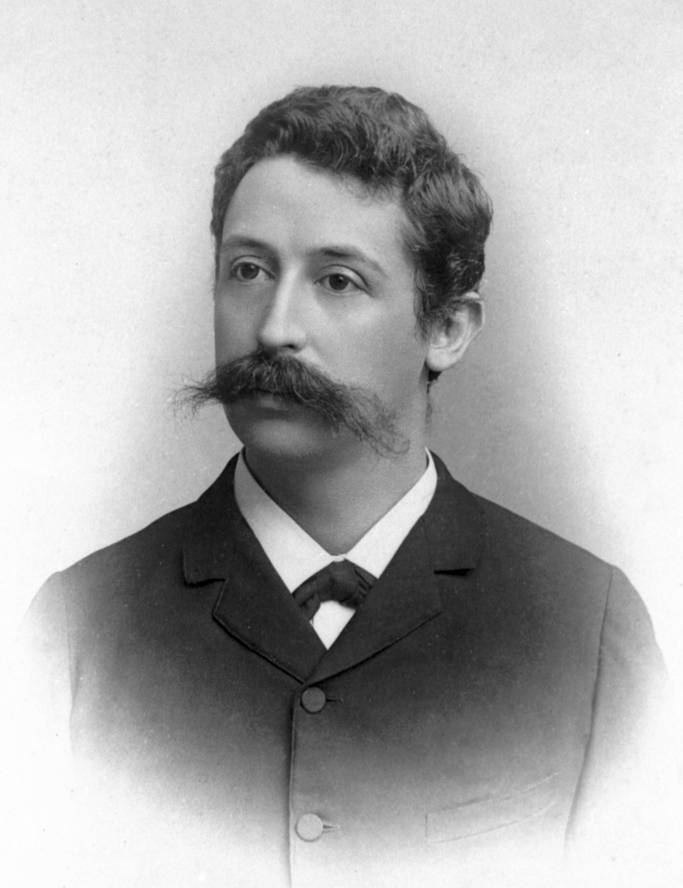
Every year on November 8, the world commemorates the extraordinary life and legacy of Christiaan Eijkman (Dutch Physician, Pathologist & Nobel Laureate (Discoverer of Vitamins)). Celebrated across Netherlands and worldwide for defining contributions to medicine, their life remains an inspiring beacon of human courage, vision, and excellence.
1. Early Foundations, Background & Formative Years
Christiaan Eijkman was born on November 8, 1858, in Nijkerk, Netherlands. After graduating from the University of Amsterdam medical school, he served as a medical officer in the Dutch East Indies. In 1886, he was assigned to investigate the crippling nerve disease beriberi in Batavia (Jakarta).
Eijkman discovered that laboratory chickens fed white polished rice developed polyneuritis mimicking beriberi, but recovered when fed unpolished brown rice containing the outer rice bran. His work established that the disease was caused by a dietary deficiency rather than a pathogen, leading to the discovery of Vitamin B1 (thiamine) and earning him the 1929 Nobel Prize in Physiology or Medicine.
Growing up in Netherlands, Christiaan Eijkman was guided by an innate curiosity, unwavering discipline, and a refusal to accept mediocrity. These formative experiences forged the intellectual and moral bedrock that would later define their world-changing accomplishments.
2. Defining Achievements & Global Career Breakthroughs
Across decades of dedicated service and relentless practice, Christiaan Eijkman redefined standards of excellence in medicine. Whether breaking barriers, innovating masterworks, or transforming public perception, their career represents the pinnacle of professional dedication.
3. Philosophy, Quotations & Guiding Worldview
Throughout their life, Christiaan Eijkman articulated profound insights into human potential, creative resilience, and moral responsibility. Their words continue to offer timeless guidance for succeeding generations.
4. Key Milestones & Notable Works
- Demonstrated that beriberi was caused by dietary deficiency related to polished rice consumption (1890–1897)
- Awarded the Nobel Prize in Physiology or Medicine in 1929 for the discovery of antineuritic vitamins
- Pioneered the scientific study of essential trace dietary micronutrients and nutritional deficiency diseases
- Professor of Hygiene and Forensic Medicine at Utrecht University (1898–1928)
- Invented the Eijkman test for microbiological water purity testing in tropical hygiene
5. The Enduring Legacy of Christiaan Eijkman
Generations of practitioners, scholars, and future leaders trace their inspiration directly to the path blazed by Christiaan Eijkman. Their courage reminds us that true greatness requires relentless perseverance, creative boldness, and a lifelong commitment to uplifting humanity.