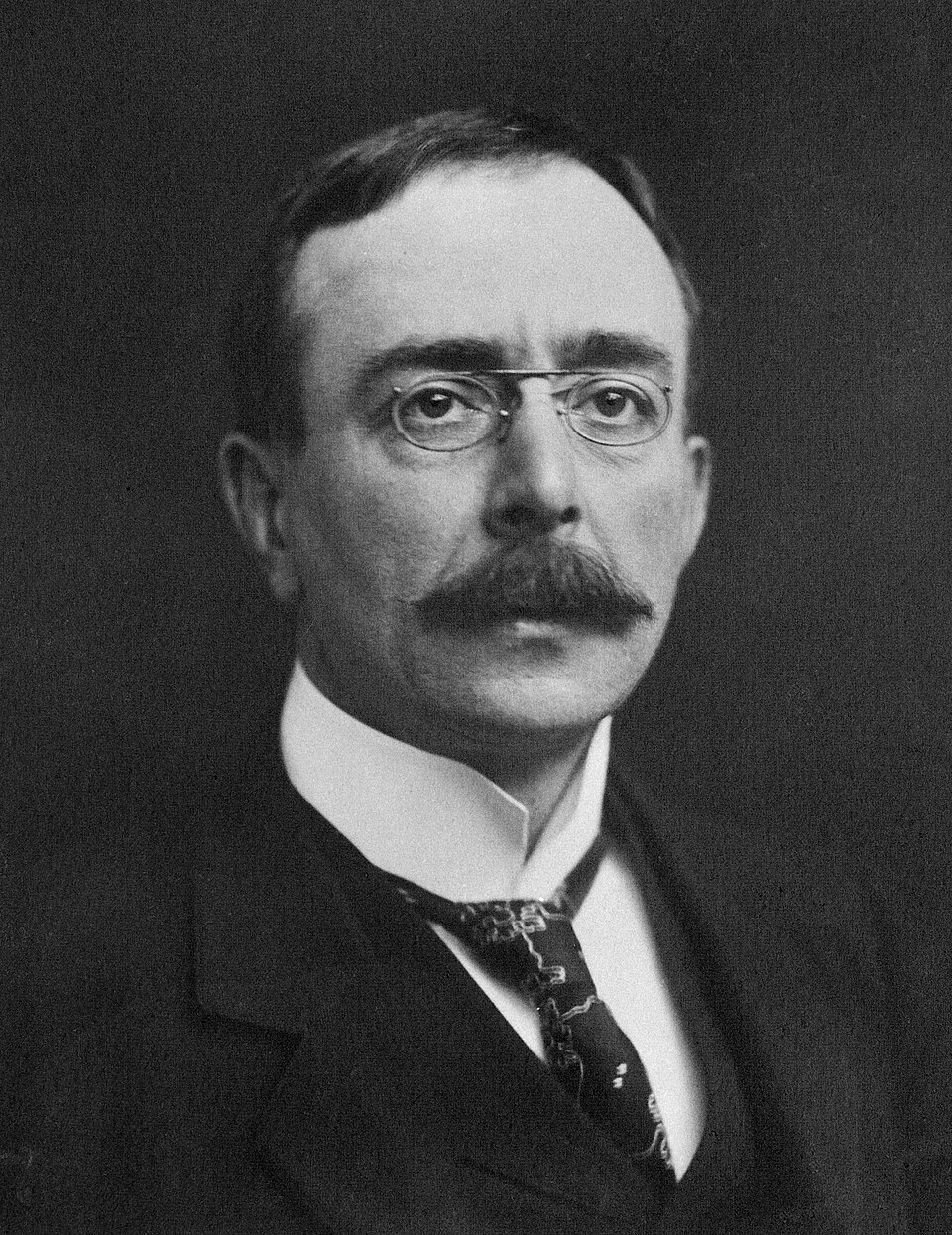
Charles Scott Sherrington (Neurophysiologist & Nobel Laureate) stands as one of history\'s most influential figures, leaving an indelible imprint upon United Kingdom culture and international heritage.
Early Life & Formative Years
Sir Charles Scott Sherrington (November 27, 1857 – March 4, 1952) was an English neurophysiologist, histologist, and pathologist who received the 1932 Nobel Prize in Physiology or Medicine alongside Edgar Adrian. His monumental 1906 treatise The Integrative Action of the Nervous System established reflex action mechanisms, reciprocal innervation, and synaptic transmission.
Major Contributions & Notable Works
Throughout their distinguished career, Charles Scott Sherrington produced remarkable milestones that transformed their domain and influenced successive generations.
Enduring Legacy & Cultural Impact
Nobel Prize-winning English neurophysiologist who coined the terms 'synapse', 'neuron', and 'proprioception', laying the foundations of modern neuroscience.
Their insights and principles remain deeply resonant today, inspiring creators, researchers, and global communities striving for excellence.