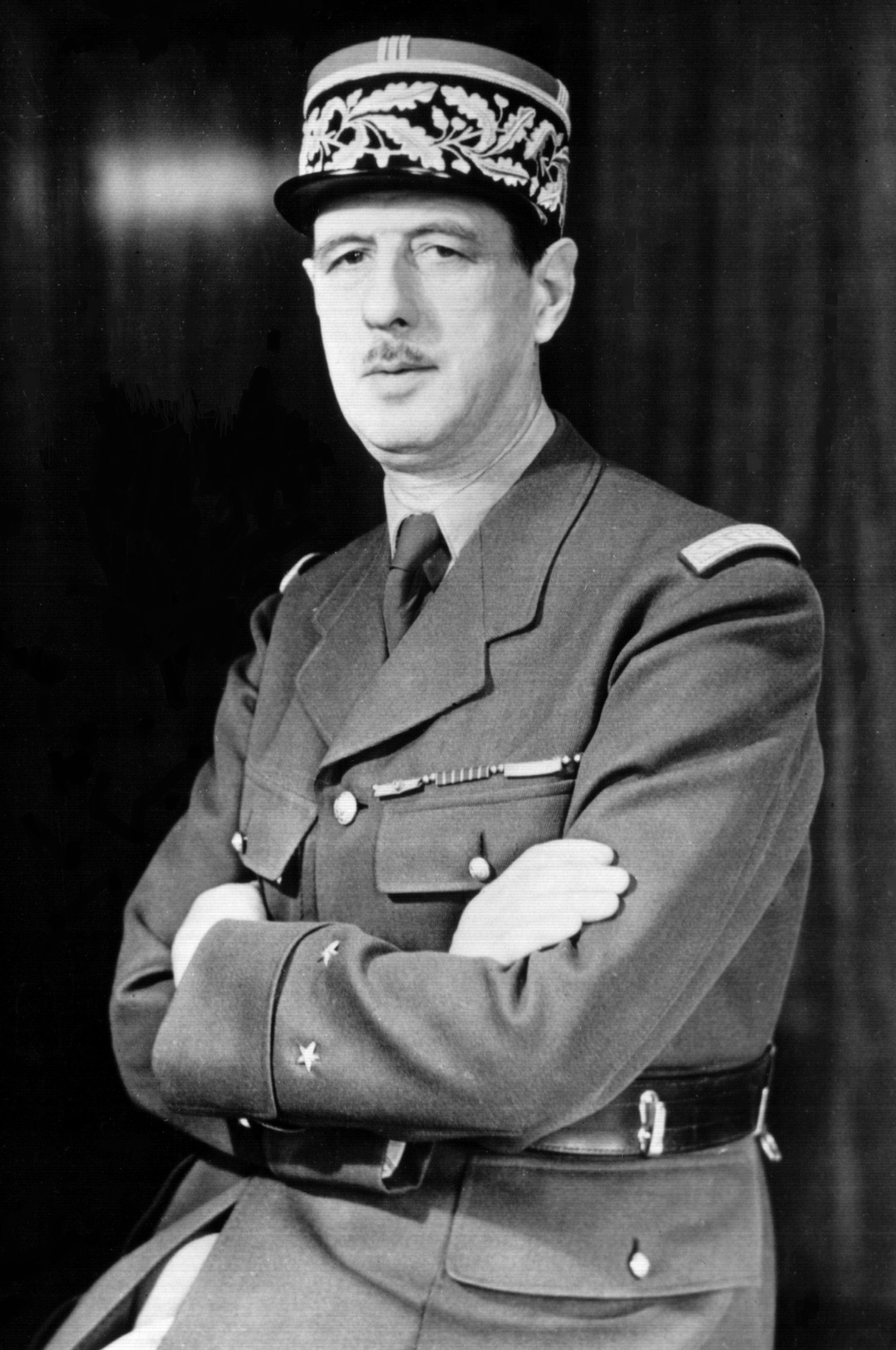
Every year on November 9, the world commemorates the extraordinary life and legacy of Charles de Gaulle (French General, Leader of Free France & 18th President of the French Republic). Celebrated across France and worldwide for defining contributions to history, their life remains an inspiring beacon of human courage, vision, and excellence.
1. Early Foundations, Background & Formative Years
Charles de Gaulle was born on November 22, 1890, in Lille, France. Graduating from the Saint-Cyr military academy, he fought with distinction in World War I, being wounded repeatedly at Verdun. During the 1930s, he was an ardent proponent of mechanized armored warfare and mobile tank divisions, though French high command largely ignored his warnings.
Following the fall of France in June 1940, de Gaulle fled to London and delivered his historic BBC radio broadcast—the Appel du 18 juin (Appeal of 18 June)—declaring that France had lost a battle but not the war, and calling on the French nation to resist. As leader of the Free French Forces and head of the French Committee of National Liberation, he unified the internal Resistance under Jean Moulin and marched triumphantly down the Champs-Élysées during the Liberation of Paris in August 1944.
Returning to power during the Algerian crisis in 1958, de Gaulle established the French Fifth Republic, drafting a presidential constitution that restored political stability. He oversaw Algerian independence, spearheaded French nuclear deterrence (the force de frappe), and pursued an independent foreign policy. Resigning in 1969 after losing a constitutional referendum, de Gaulle retired to his modest home in Colombey-les-Deux-Églises, where he died suddenly on November 9, 1970. He was mourned worldwide as France's greatest 20th-century statesman.
Growing up in France, Charles de Gaulle was guided by an innate curiosity, unwavering discipline, and a refusal to accept mediocrity. These formative experiences forged the intellectual and moral bedrock that would later define their world-changing accomplishments.
2. Defining Achievements & Global Career Breakthroughs
Across decades of dedicated service and relentless practice, Charles de Gaulle redefined standards of excellence in history. Whether breaking barriers, innovating masterworks, or transforming public perception, their career represents the pinnacle of professional dedication.
3. Philosophy, Quotations & Guiding Worldview
Throughout their life, Charles de Gaulle articulated profound insights into human potential, creative resilience, and moral responsibility. Their words continue to offer timeless guidance for succeeding generations.
4. Key Milestones & Notable Works
- Delivered the historic 'Appeal of 18 June' (1940) over BBC radio, launching Free France and the Resistance
- Led the Free French Forces and headed the Provisional Government of the French Republic (1944–1946)
- Founded the French Fifth Republic (1958) and served as its transforming President (1959–1969)
- Established France as an independent nuclear power with the sovereign 'Force de Frappe' doctrine
- Penned the monumental three-volume historical memoir 'Mémoires de guerre' (War Memoirs)
5. The Enduring Legacy of Charles de Gaulle
Generations of practitioners, scholars, and future leaders trace their inspiration directly to the path blazed by Charles de Gaulle. Their courage reminds us that true greatness requires relentless perseverance, creative boldness, and a lifelong commitment to uplifting humanity.