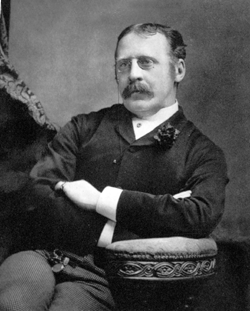
Every year on November 4, the international community commemorates Charles Borromeo (Archbishop of Milan, Cardinal, Catholic Saint & Leading Reformer of the Council of Trent). Celebrated across Italy and worldwide for defining contributions to religion, their life remains an inspiring beacon of human courage, vision, and excellence.
1. Early Foundations, Background & Formative Years
Born into nobility at the castle of Arona on October 2, 1538, Carlo Borromeo earned doctorates in civil and canon law at the University of Pavia. When his uncle was elected Pope Pius IV in 1559, young Borromeo was summoned to Rome and created Cardinal-Deacon and Secretary of State at just twenty-one years old. Despite his youth and aristocratic privilege, he was driven by intense personal piety, austerity, and administrative brilliance.
Borromeo played an indispensable role in successfully reconvening and concluding the third and final period of the Council of Trent (1562–1563), supervising the drafting of the Roman Catechism and liturgical reforms. Appointed Archbishop of Milan in 1564, he became the first resident bishop of the archdiocese in eighty years, enforcing strict moral discipline, founding the Confraternity of Christian Doctrine (Sunday School system), and establishing dedicated seminaries for clergy training that became the global standard for the Catholic Church.
His pastoral heroism reached legendary heights during the devastating Plague of Milan (1576–1578). While civic authorities fled, Borromeo remained in the city, using his personal fortune to feed up to 70,000 plague victims daily, personally administering the sacraments in quarantine pesthouses, and leading barefoot penitential processions. Worn out by relentless asceticism and pastoral labor, he passed away on November 4, 1584, at age forty-six, canonized in 1610 as the patron saint of bishops, catechists, and spiritual directors.
Growing up in Italy, Charles Borromeo was guided by an innate curiosity, unwavering discipline, and a refusal to accept mediocrity. These formative experiences forged the intellectual and moral bedrock that would later define their world-changing accomplishments.
2. Groundbreaking Breakthroughs & Monumental Achievements
Saint Charles Borromeo was the Archbishop of Milan and a towering Counter-Reformation reformer whose leadership in concluding the Council of Trent, establishing modern seminaries, and fearlessly ministering to victims during the Great Plague of Milan in 1576 made him an immortal model of pastoral care.
Throughout their career, Charles Borromeo surmounted institutional obstacles, skepticism, and severe adversity. Through unyielding resolve, they established new benchmarks in religion that continue to shape the modern world.
3. Cultural Resonance, Philosophy & World Impact
The philosophical principles embodied by Charles Borromeo extend far beyond regional frontiers. Admirers and scholars across Europe, the Americas, Africa, Asia, and Oceania recognize their timeless contribution to human progress, ethical leadership, and creative mastery.
4. Key Milestones & Notable Works
Notable Achievements & Works
- Concluded the Council of Trent (1562–1563) and directed the compilation of the Roman Catechism
- Pastoral heroism and relief feeding during the Great Plague of Milan (1576–1578)
- Founding of the first modern diocesan seminaries and the Oblates of Saint Ambrose
- Establishment of the Confraternity of Christian Doctrine (CCD Sunday school framework)
- Canonized as a Roman Catholic Saint (1610) by Pope Paul V
5. Enduring Legacy for Future Generations
On November 4, we reflect upon a legacy that transcends time. For aspiring students, creators, and leaders everywhere, the journey of Charles Borromeo serves as proof that conviction, mastery, and dedication leave an indelible mark upon human history.