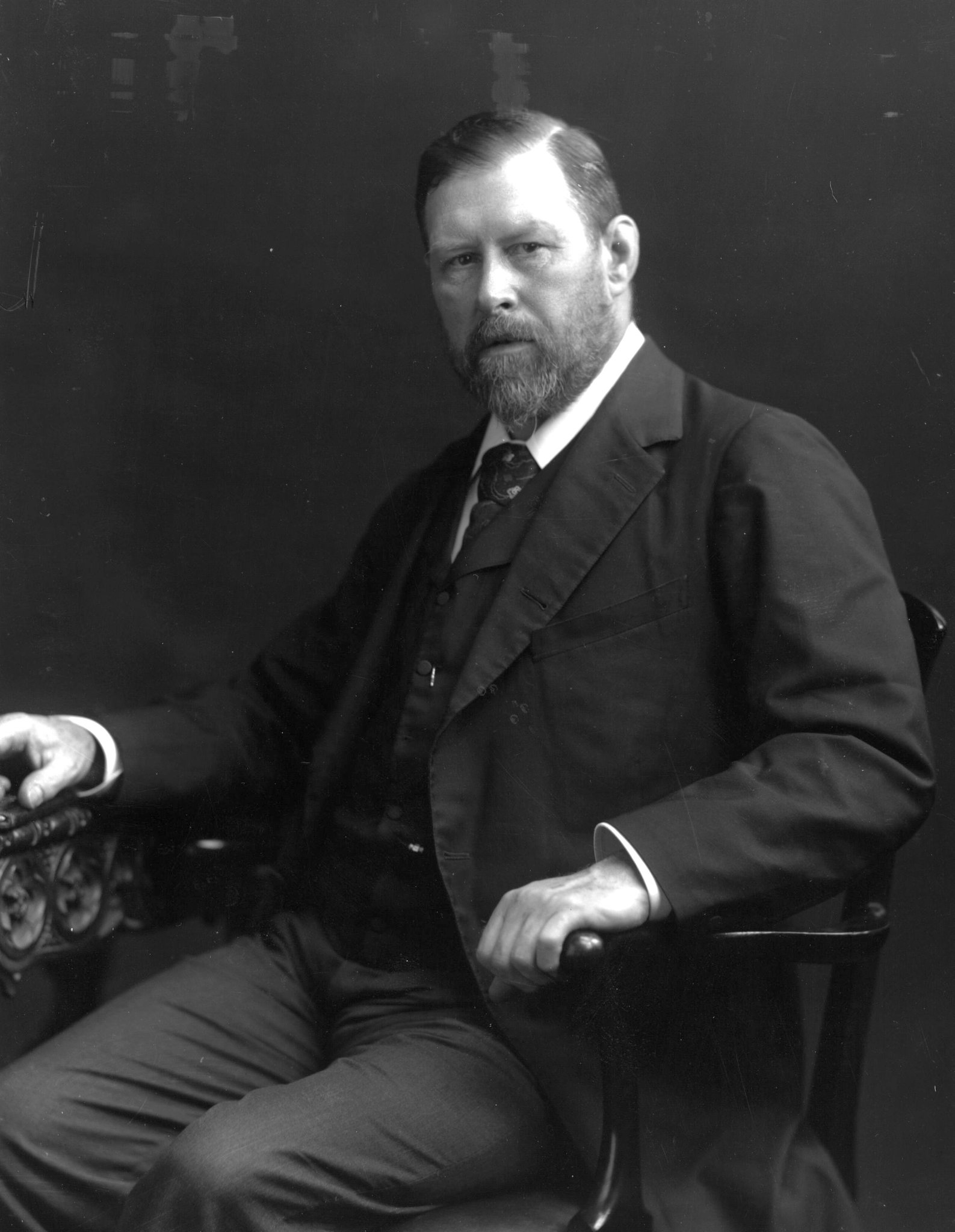
Every year on November 8, the world commemorates the extraordinary life and legacy of Bram Stoker (Irish Gothic Novelist & Author of 'Dracula'). Celebrated across Ireland and worldwide for defining contributions to literature, their life remains an inspiring beacon of human courage, vision, and excellence.
1. Early Foundations, Background & Formative Years
Abraham 'Bram' Stoker was born on November 8, 1847, in Clontarf, Dublin. Bedridden until age seven, he grew up listening to his mother's harrowing tales of the 1832 Sligo cholera epidemic. Overcoming illness, he graduated with mathematics honors from Trinity College Dublin.
In 1878, Stoker moved to London to manage Sir Henry Irving's famous Lyceum Theatre. Following years of meticulous historical and folkloric research at the British Library and in Whitby, Stoker published Dracula in 1897. Written in epistolary format through diaries, phonograph logs, and letters, the novel created a cultural titan that transformed global literature and cinematic horror.
Growing up in Ireland, Bram Stoker was guided by an innate curiosity, unwavering discipline, and a refusal to accept mediocrity. These formative experiences forged the intellectual and moral bedrock that would later define their world-changing accomplishments.
2. Defining Achievements & Global Career Breakthroughs
Across decades of dedicated service and relentless practice, Bram Stoker redefined standards of excellence in literature. Whether breaking barriers, innovating masterworks, or transforming public perception, their career represents the pinnacle of professional dedication.
3. Philosophy, Quotations & Guiding Worldview
Throughout their life, Bram Stoker articulated profound insights into human potential, creative resilience, and moral responsibility. Their words continue to offer timeless guidance for succeeding generations.
4. Key Milestones & Notable Works
- Authored the seminal Gothic vampire masterpiece 'Dracula' (1897)
- Business manager of London's world-famous Lyceum Theatre for 27 years
- Pioneered modern epistolary horror narrative utilizing diaries, telegrams, and ship logs
- Authored supernatural and adventure novels including 'The Jewel of Seven Stars' (1903)
- Memorialized his theatrical career in 'Personal Reminiscences of Henry Irving' (1906)
5. The Enduring Legacy of Bram Stoker
Generations of practitioners, scholars, and future leaders trace their inspiration directly to the path blazed by Bram Stoker. Their courage reminds us that true greatness requires relentless perseverance, creative boldness, and a lifelong commitment to uplifting humanity.