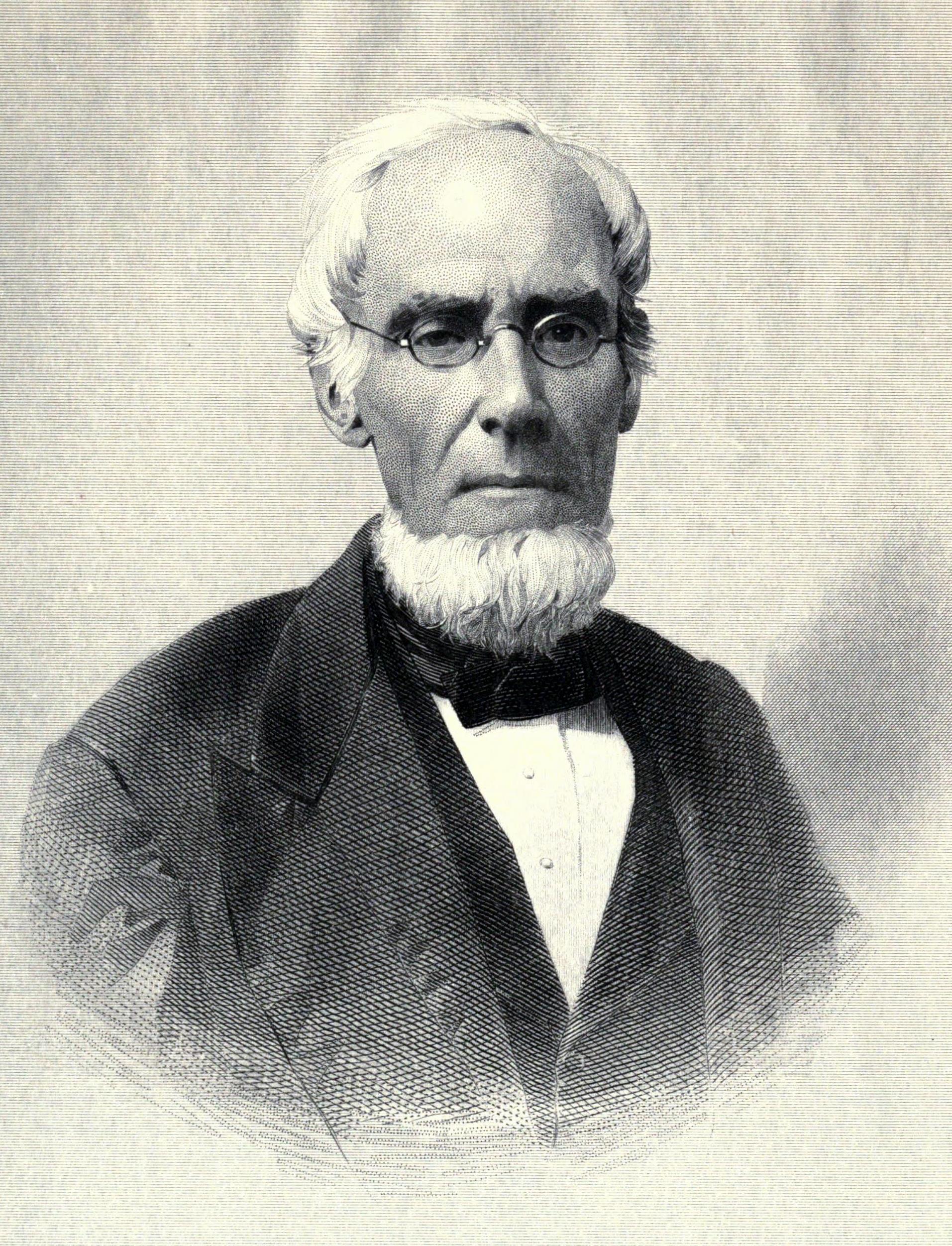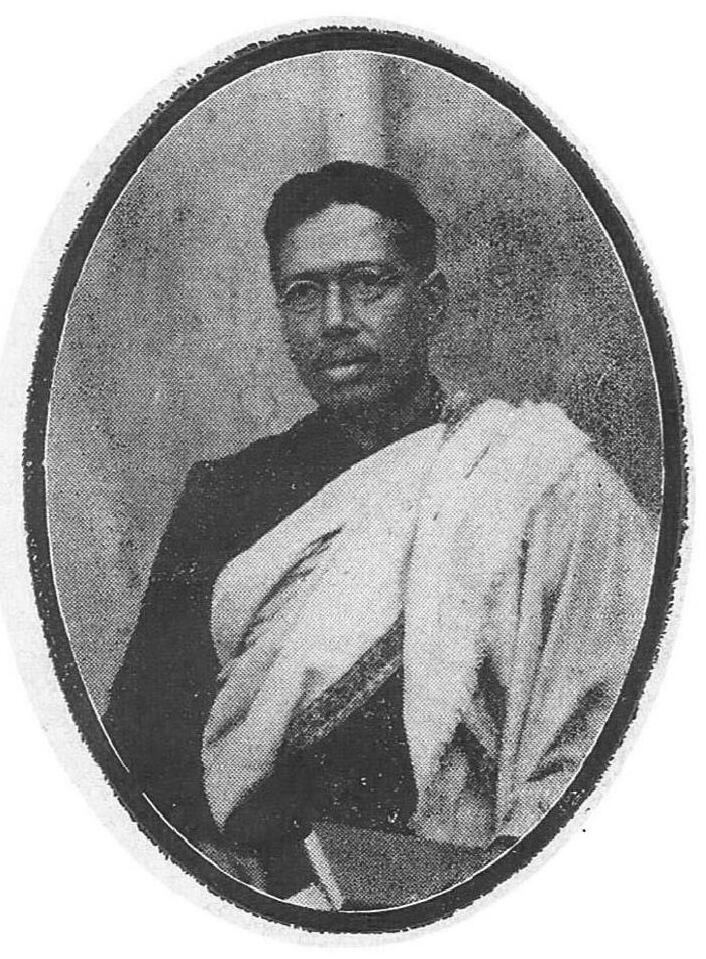
Every year on November 7, the world commemorates the extraordinary life and legacy of Bipin Chandra Pal (Indian Nationalist Leader, Freedom Fighter, Journalist & Orator). Celebrated across India and worldwide for defining contributions to history, their life remains an inspiring beacon of human courage, vision, and excellence.
1. Early Foundations, Background & Formative Years
Bipin Chandra Pal was born on November 7, 1858, in the village of Poil in Habiganj, Sylhet (now in Bangladesh), into a wealthy Hindu Kayastha family. Educated at Sylhet Government High School and later at Presidency College, Calcutta, Pal was deeply influenced by the Brahmo Samaj reformist movement under Keshub Chandra Sen and Pandit Sivanath Sastri, breaking caste conventions and marrying a widowed woman, which led to a rift with his orthodox family.
Pal turned to journalism and education, founding and editing revolutionary periodicals including The Tribune, New India, Bande Mataram, and Swaraj. When Viceroy Lord Curzon partitioned Bengal in 1905, Pal transformed from an advocate of constitutional petition into the foremost prophet of radical nationalism. Recognizing that foreign rulers relied entirely on colonial subjects for administration and revenue, Pal formulated the doctrine of Passive Resistance—boycotting British manufactures, schools, courts, and honors, while actively establishing indigenous (Swadeshi) industry and national education.
Alongside Bal Gangadhar Tilak of Maharashtra and Lala Lajpat Rai of Punjab, Pal formed the iconic Lal-Bal-Pal triumvirate that electrified millions across the Indian subcontinent. Pal's fiery oratory was legendary; Sri Aurobindo called him 'one of the mightiest prophets of nationalism.' Imprisoned in 1907 for refusing to testify against Aurobindo in the Bande Mataram sedition trial, Pal later spent years lecturing in England. He stood for complete political freedom (Poorna Swaraj) based on federalism, secular democracy, and social equality, leaving an indelible imprint on India's struggle for liberty before passing away on May 20, 1932.
Growing up in India, Bipin Chandra Pal was guided by an innate curiosity, unwavering discipline, and a refusal to accept mediocrity. These formative experiences forged the intellectual and moral bedrock that would later define their world-changing accomplishments.
2. Defining Achievements & Global Career Breakthroughs
Across decades of dedicated service and relentless practice, Bipin Chandra Pal redefined standards of excellence in history. Whether breaking barriers, innovating masterworks, or transforming public perception, their career represents the pinnacle of professional dedication.
3. Philosophy, Quotations & Guiding Worldview
Throughout their life, Bipin Chandra Pal articulated profound insights into human potential, creative resilience, and moral responsibility. Their words continue to offer timeless guidance for succeeding generations.
4. Key Milestones & Notable Works
- Pioneered the historic 'Lal-Bal-Pal' nationalist triumvirate alongside Tilak and Lajpat Rai
- Conceptualized the Swadeshi boycott movement and doctrine of passive non-cooperation against British rule
- Founder and editor of landmark nationalist newspapers including 'New India', 'Bande Mataram', and 'Swaraj'
- Hailed by Sri Aurobindo as 'the chief prophet of nationalism' and one of India's greatest orators
- Authored seminal political and philosophical works including 'The Soul of India' and 'Nationality and Empire'
5. The Enduring Legacy of Bipin Chandra Pal
Generations of practitioners, scholars, and future leaders trace their inspiration directly to the path blazed by Bipin Chandra Pal. Their courage reminds us that true greatness requires relentless perseverance, creative boldness, and a lifelong commitment to uplifting humanity.