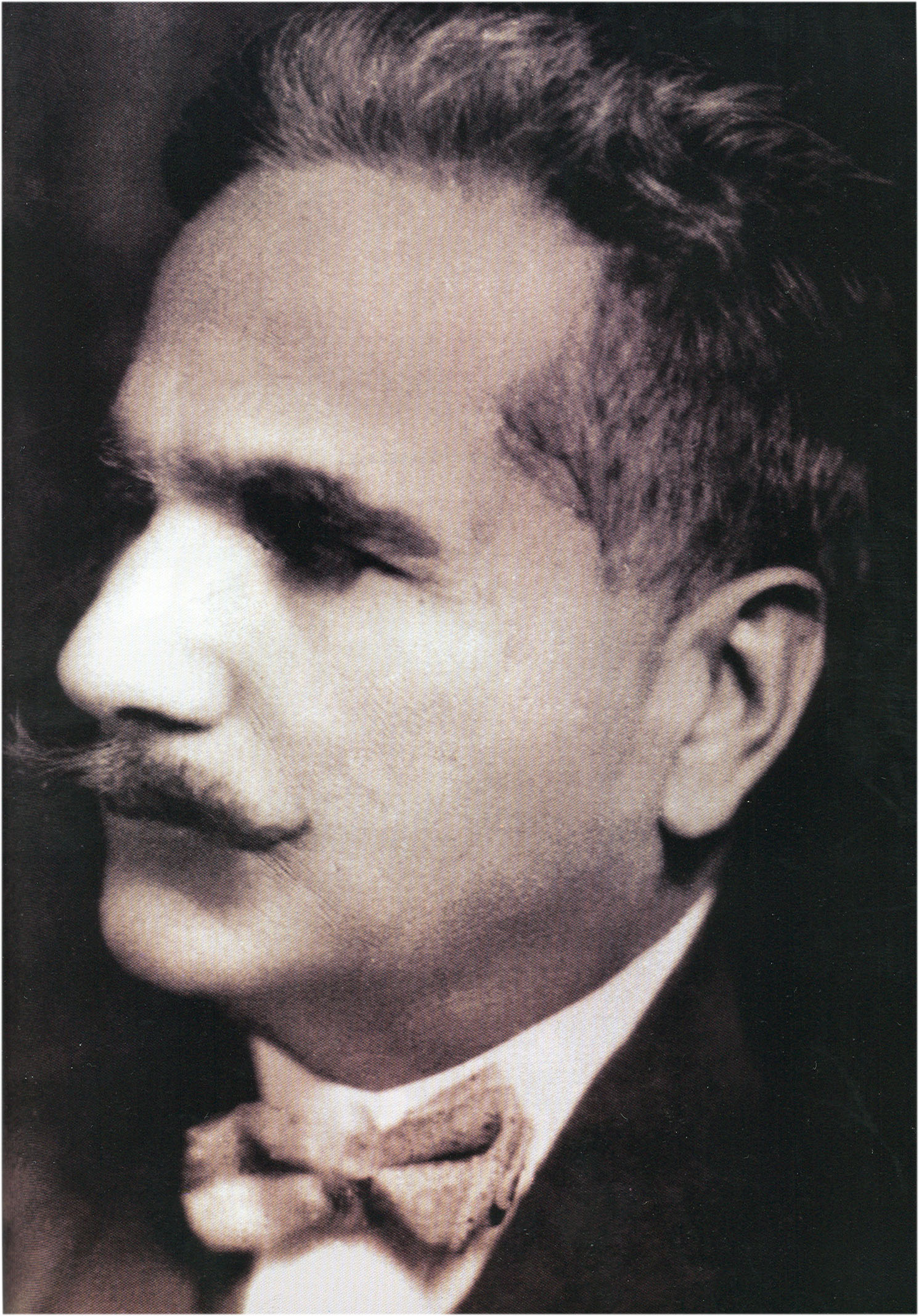
Every year on November 9, the world commemorates the extraordinary life and legacy of Allama Iqbal (Philosopher, Scholar, Barrister & National Poet of Pakistan ('Mufakkir-e-Pakistan')). Celebrated across Pakistan and worldwide for defining contributions to literature, their life remains an inspiring beacon of human courage, vision, and excellence.
1. Early Foundations, Background & Formative Years
Allama Muhammad Iqbal was born on November 9, 1877, in Sialkot, Punjab. He earned his Master of Arts from Government College Lahore under Sir Thomas Arnold before pursuing higher education in Europe at Trinity College Cambridge, Lincoln's Inn, and Ludwig Maximilian University of Munich, where he earned a doctorate in philosophy with his thesis on Persian metaphysics.
Returning to British India, Iqbal practiced law while composing some of the finest philosophical poetry in Urdu and Persian. In poetic masterworks such as Asrar-e-Khudi (Secrets of the Self, 1915), Rumuz-e-Bekhudi (1918), Bang-e-Dra (1924), and Bal-e-Jibril (1935), he challenged both Western materialism and Eastern fatalism, calling for a dynamic reawakening of human dignity through the cultivation of Khudi (the creative, self-realized ego).
In 1930, presiding over the All-India Muslim League session at Allahabad, Iqbal delivered his historic presidential address envisioning an autonomous sovereign Muslim homeland in northwestern British India. Knighted in 1923, Iqbal passed away in Lahore on April 21, 1938. His birthday on November 9 is commemorated annually as a national holiday across Pakistan.
Growing up in Pakistan, Allama Iqbal was guided by an innate curiosity, unwavering discipline, and a refusal to accept mediocrity. These formative experiences forged the intellectual and moral bedrock that would later define their world-changing accomplishments.
2. Defining Achievements & Global Career Breakthroughs
Across decades of dedicated service and relentless practice, Allama Iqbal redefined standards of excellence in literature. Whether breaking barriers, innovating masterworks, or transforming public perception, their career represents the pinnacle of professional dedication.
3. Philosophy, Quotations & Guiding Worldview
Throughout their life, Allama Iqbal articulated profound insights into human potential, creative resilience, and moral responsibility. Their words continue to offer timeless guidance for succeeding generations.
4. Key Milestones & Notable Works
- Delivered the historic 1930 Allahabad Address articulating the political vision of an independent Pakistan
- Penned Persian philosophical masterworks 'Asrar-e-Khudi' (1915) and 'Rumuz-e-Bekhudi' (1918)
- Authored foundational Urdu poetry collections 'Bang-e-Dra' (1924), 'Bal-e-Jibril' (1935), and 'Zarb-e-Kaleem' (1936)
- Delivered and published the landmark philosophical lectures 'The Reconstruction of Religious Thought in Islam' (1930)
- Formulated the transformative doctrine of 'Khudi' (Selfhood) and the poetic metaphor of the Shaheen (Royal Falcon)
5. The Enduring Legacy of Allama Iqbal
Generations of practitioners, scholars, and future leaders trace their inspiration directly to the path blazed by Allama Iqbal. Their courage reminds us that true greatness requires relentless perseverance, creative boldness, and a lifelong commitment to uplifting humanity.