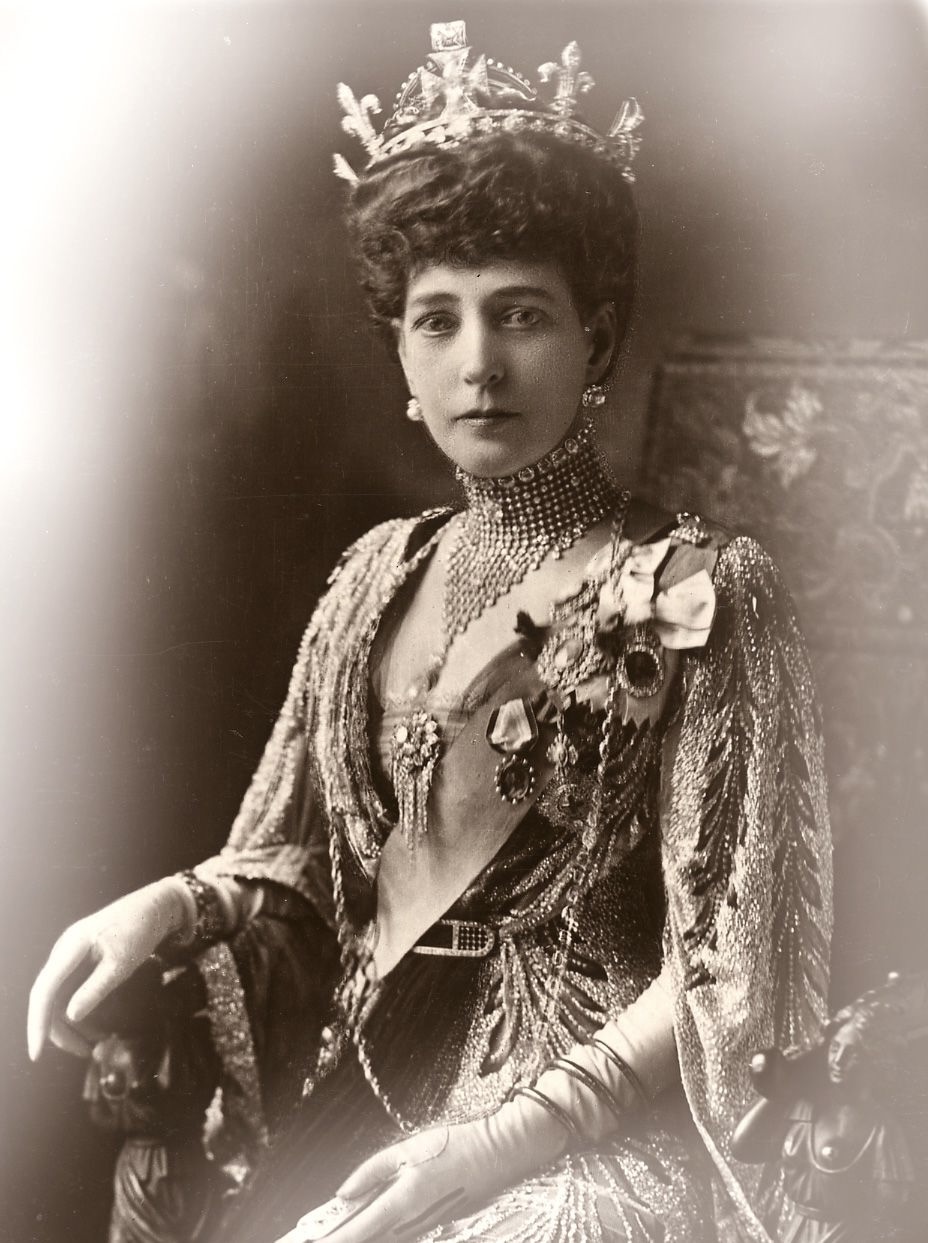
Alexandra of Denmark remains one of history's most celebrated figures in their domain, remembered for shaping cultural discourse, artistic mastery, and intellectual frontiers.
Life & Historical Impact
Queen Alexandra of Denmark, born December 1, 1844, at the Yellow Palace in Copenhagen, was Queen of the United Kingdom and the British Dominions, and Empress of India, as the wife of King Edward VII. Celebrated for her breathtaking beauty, warmth, and pioneering charitable leadership, Alexandra won the deep affection of the British public during the Victorian and Edwardian eras.
Fiercely dedicated to humanitarian healthcare, she founded Queen Alexandra's Imperial Military Nursing Service and launched Alexandra Rose Day in 1912—the earliest nationwide charity flag day where artificial roses were sold by volunteers to raise funds for British hospitals. Her legacy as a compassionate reformer and royal philanthropist endures in British civic life.
Major Achievements & Landmark Works
Throughout their career, Alexandra of Denmark produced landmark achievements that earned global recognition. Notable works and career highlights include: Queen Consort of the United Kingdom (1901–1910), Alexandra Rose Day (First National Flower Day for Charity, Founded 1912), Pioneering Royal Patron of the British Red Cross, Founder of Queen Alexandra's Imperial Military Nursing Service (1902), Enduring Fashion Icon and Beloved Public Humanitarian.
Enduring Influence & Philosophy
The philosophical legacy of Alexandra of Denmark continues to enrich contemporary debates on creativity, ethics, and human achievement.