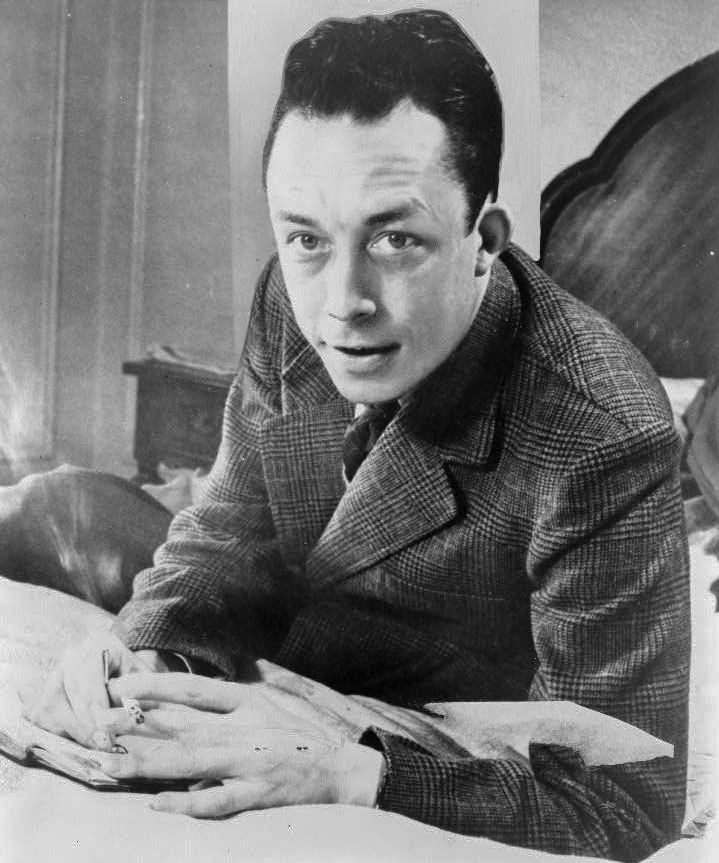
Every year on November 7, the world commemorates the extraordinary life and legacy of Albert Camus (French-Algerian Philosopher, Novelist & Nobel Laureate in Literature). Celebrated across France and worldwide for defining contributions to literature, their life remains an inspiring beacon of human courage, vision, and excellence.
1. Early Foundations, Background & Formative Years
Albert Camus was born on November 7, 1913, in Mondovi (now Dréan), French Algeria, to an impoverished French-Algerian (pied-noir) family. His father Lucien was killed in the First Battle of the Marne in 1914 when Camus was an infant. Raised in working-class Belcourt by his illiterate, nearly deaf mother and strict grandmother, Camus escaped extreme poverty through public education, mentored by his devoted primary school teacher Louis Germain.
Excelling at the University of Algiers in philosophy and literature, Camus was struck with tuberculosis at age seventeen, ending his athletic ambitions as a goalkeeper. In the late 1930s, he worked as an investigative journalist for Alger Républicain, writing courageous exposés on the severe deprivation of the indigenous Berber Kabyle population. During World War II in Paris, Camus joined the French Resistance, editing the clandestine newspaper Combat under Nazi occupation.
In 1942, Camus published his foundational masterworks: the novel The Stranger (L'Étranger) and the philosophical essay The Myth of Sisyphus (Le Mythe de Sisyphe), introducing his concept of the Absurd—the tension between human desire for inherent meaning and the silent, indifferent universe. Unlike nihilists, Camus argued that humanity must passionately embrace existence through revolt, freedom, and solidarity: 'One must imagine Sisyphus happy.' His subsequent masterpiece The Plague (La Peste, 1947) allegorized fascism and celebrated unheralded civic compassion. Awarded the Nobel Prize in Literature in 1957, Camus tragically died in an automobile accident near Sens on January 4, 1960, leaving behind the manuscript of his autobiographical novel The First Man.
Growing up in France, Albert Camus was guided by an innate curiosity, unwavering discipline, and a refusal to accept mediocrity. These formative experiences forged the intellectual and moral bedrock that would later define their world-changing accomplishments.
2. Defining Achievements & Global Career Breakthroughs
Across decades of dedicated service and relentless practice, Albert Camus redefined standards of excellence in literature. Whether breaking barriers, innovating masterworks, or transforming public perception, their career represents the pinnacle of professional dedication.
3. Philosophy, Quotations & Guiding Worldview
Throughout their life, Albert Camus articulated profound insights into human potential, creative resilience, and moral responsibility. Their words continue to offer timeless guidance for succeeding generations.
4. Key Milestones & Notable Works
- The Stranger (L'Étranger, 1942) — groundbreaking exploration of alienation and truth
- The Myth of Sisyphus (Le Mythe de Sisyphe, 1942) — seminal treatise on the Absurd
- The Plague (La Peste, 1947) — allegorical masterpiece on resistance, solidarity, and courage
- The Rebel (L'Homme révolté, 1951) — powerful critique of totalitarian revolutionary terror
- Awarded the Nobel Prize in Literature in 1957 (second-youngest recipient in history)
5. The Enduring Legacy of Albert Camus
Generations of practitioners, scholars, and future leaders trace their inspiration directly to the path blazed by Albert Camus. Their courage reminds us that true greatness requires relentless perseverance, creative boldness, and a lifelong commitment to uplifting humanity.