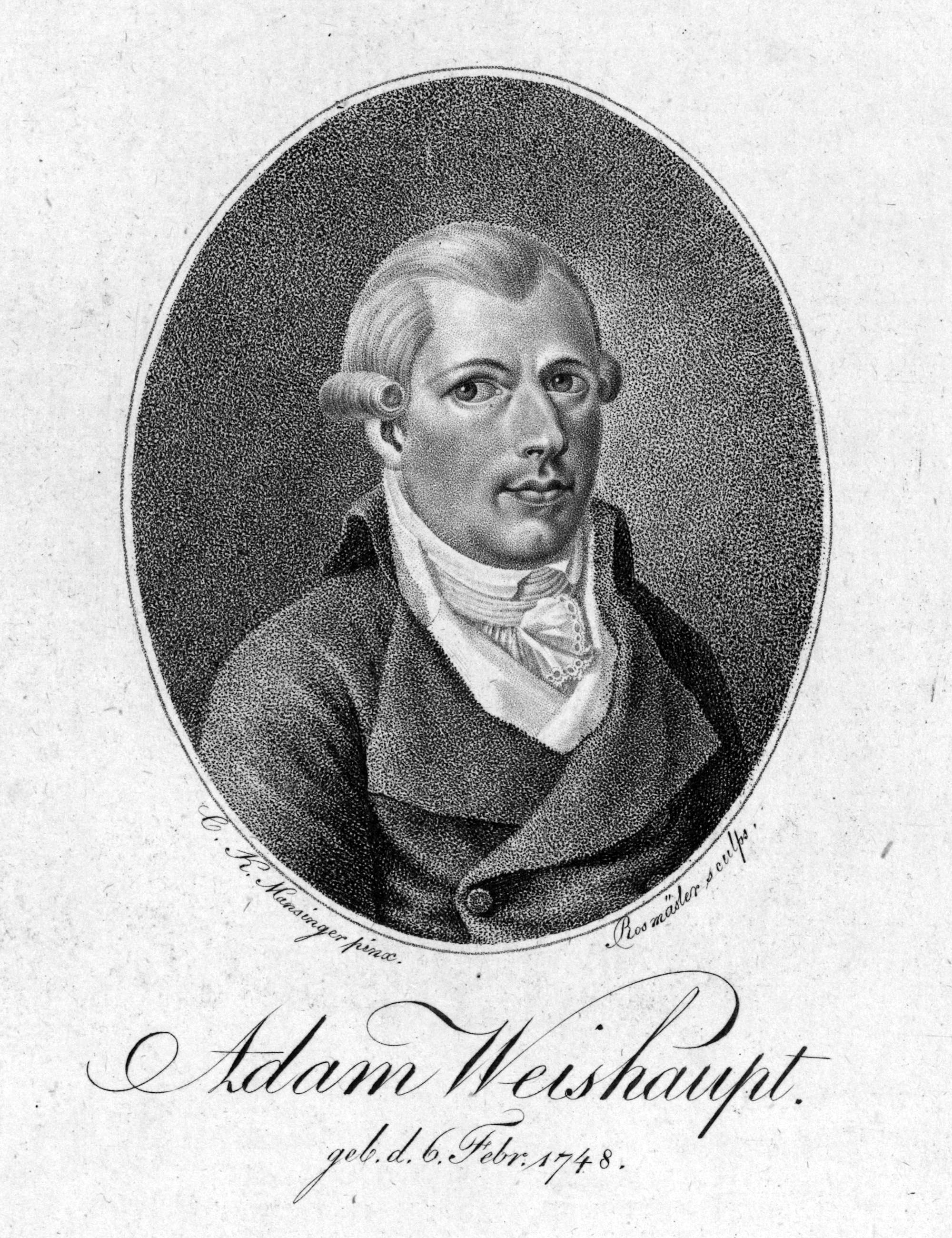
Adam Weishaupt (1748 – 1830) was a towering figure in Germany and world history, widely celebrated as Philosopher & Professor of Canon Law. Their transformative contributions left an enduring imprint on human civilization.
At a Glance: Adam Weishaupt
Major Historical Impact & Defining Contributions
Johann Adam Weishaupt was born in Ingolstadt, Bavaria, in 1748. Educated by the Jesuits following the early death of his father, Weishaupt studied history, law, and Enlightenment philosophy, earning his doctorate in 1768. In 1773, at age 25, he became professor of canon law at the University of Ingolstadt, the first layman to hold the prestigious chair in ninety years. Frustrated by Jesuit intellectual dominance, state religious censorship, and monarchical absolutism in Bavaria, Weishaupt sought a secret association to cultivate Enlightenment rationalism. On May 1, 1776, alongside four students, he founded the Order of the Illuminati (Bund der Perfektibilisten). The society adopted classical pseudonyms (Weishaupt was 'Spartacus'), rigorous moral study, and an initiation hierarchy, attracting prominent German intellectuals including Baron Adolph von Knigge, Johann Wolfgang von Goethe, and Johann Gottfried von Herder. In 1784 and 1785, Duke Karl Theodor of Bavaria issued royal edicts banning all secret societies under penalty of death. Fleeing arrest, Weishaupt found asylum under Duke Ernst II in Gotha, where he lived as a scholar and professor, publishing theoretical defenses of natural morality, republican virtue, and educational reform until his death on November 18, 1830.
Key Milestones, Works & Enduring Achievements
Throughout an extraordinary journey, Adam Weishaupt established landmark milestones that continue to inspire scholars, creators, and leaders:
- Founding of the Order of the Illuminati (May 1, 1776, Ingolstadt, Bavaria)
- An Apology for the Illuminati (Apologie der Illuminaten, Philosophical defense, 1786)
- An Improvement of the History of the Illuminati (Das verbesserte System der Illuminaten, 1787)
- Pythagoras, or Reflections on the Secret Art of Ruling (Political philosophy treatise, 1790)
- On Materialism and Idealism (Über Materialismus und Idealismus, Metaphysical study, 1786)
Enduring Philosophy & Timeless Words
Reflecting on human nature, duty, and excellence, Adam Weishaupt also observed:
Read All Curated Quotes & Tributes
Explore our comprehensive collection of inspiring quotes, personal reflections, and historical tributes honoring Adam Weishaupt on November 18.