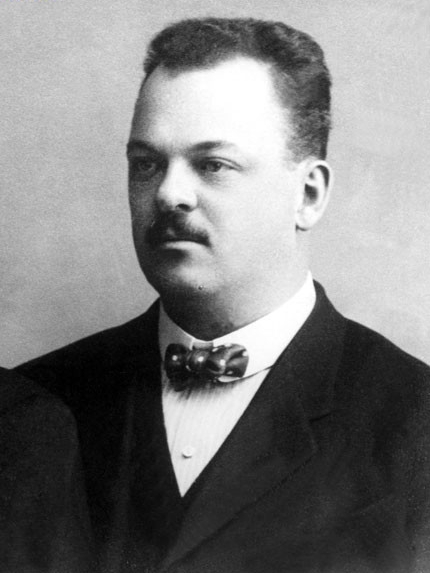
Celebrated across the world on October 27, Abbasuddin Ahmed (Pioneering Bengali Folk Singer, Composer, Cultural Custodian & National Folk Icon) stands as an enduring emblem of excellence, perseverance, and historical transformation.
Biographical Journey & Early Roots
Abbasuddin Ahmed was born on October 27, 1901, in Balarampur, Cooch Behar (then in Bengal Presidency). Without formal classical training, he possessed a voice of breathtaking acoustic purity, soaring emotive resonance, and innate melodic intuition. In the late 1920s, Abbasuddin moved to Calcutta, where his recordings of Bhawaiya, Chatka, Marfati, and Murshidi songs captivated both rural hearts and urban connoisseurs.
His historic creative collaboration with National Poet Kazi Nazrul Islam transformed the musical landscape of Bengal. Together with Nazrul, Abbasuddin recorded the very first Islamic devotional songs (Ghazals and Hamd-Naat) on gramophone discs, creating immortal cultural anthems like 'O Mon Romzaner Oi Rozar Sheshe'. He brought rural folk treasures from the dusty riverbanks of the Teesta and Brahmaputra onto international stages, representing South Asian music in Manila and Germany. Following the 1947 partition, he moved to Dhaka, where he served in the government's Department of Public Information and mentored an entire generation of vocal artists, including his children Mustafa Zaman Abbasi and Ferdausi Rahman. He was posthumously honored with Bangladesh’s highest civilian accolades: the Ekushey Padak (1979) and Independence Day Award (1981).
Hallmark Achievements & Notable Works
- Pioneered recording of Bhawaiya, Chatka, and Murshidi Folk Traditions
- Historic recording of Kazi Nazrul Islam’s "O Mon Romzaner Oi Rozar Sheshe"
- Represented South Asian folk music at international conferences in Manila (1955) and Germany (1956)
- Author of the acclaimed autobiography "Amar Shilpi Jiboner Kotha"
- Posthumous recipient of Ekushey Padak (1979) and Independence Day Award (1981)
Cultural Resonance & Global Impact
The contributions of Abbasuddin Ahmed continue to inspire millions across Bangladesh and the international community. Whether pioneering artistic forms, defending human rights, or demonstrating unparalleled leadership, their life serves as a timeless masterclass in human dedication.
As we celebrate October 27, we honor not only their recorded achievements but also the enduring standard of courage, intellect, and creativity they gifted to future generations.